
Luxury travel is evolving.
Today’s most meaningful journeys aren’t defined solely by thread count, infinity pools, or Michelin-starred dining — they’re shaped by intention. Travelers are increasingly asking deeper questions: How does this place protect its environment? Who benefits from my stay? What impact does my presence leave behind?
Sustainability in travel isn’t just about where you go — it’s about how your presence supports the destination.
Hotels and lodges sit at the center of this equation. They influence energy use, water consumption, wildlife protection, local employment, cultural preservation, and community development. In many destinations, particularly remote or fragile environments, a single property can determine whether tourism becomes extractive or regenerative.
The good news? Sustainable travel no longer requires compromise.
Around the world, a new generation of hotels is proving that luxury and responsibility are not opposing forces. These properties integrate conservation, community partnership, and environmental stewardship directly into the guest experience — often so seamlessly that travelers enjoy barefoot elegance, thoughtful design, and exceptional service without ever feeling like they’re “doing without.”
Choosing the right place to stay is one of the most powerful travel decisions you can make. It’s an opportunity to experience the world beautifully while helping protect it for future generations.
The five hotels below are standout examples of what sustainable luxury looks like when it’s done well — thoughtfully, authentically, and with lasting impact.
1. Soneva Fushi — Maldives
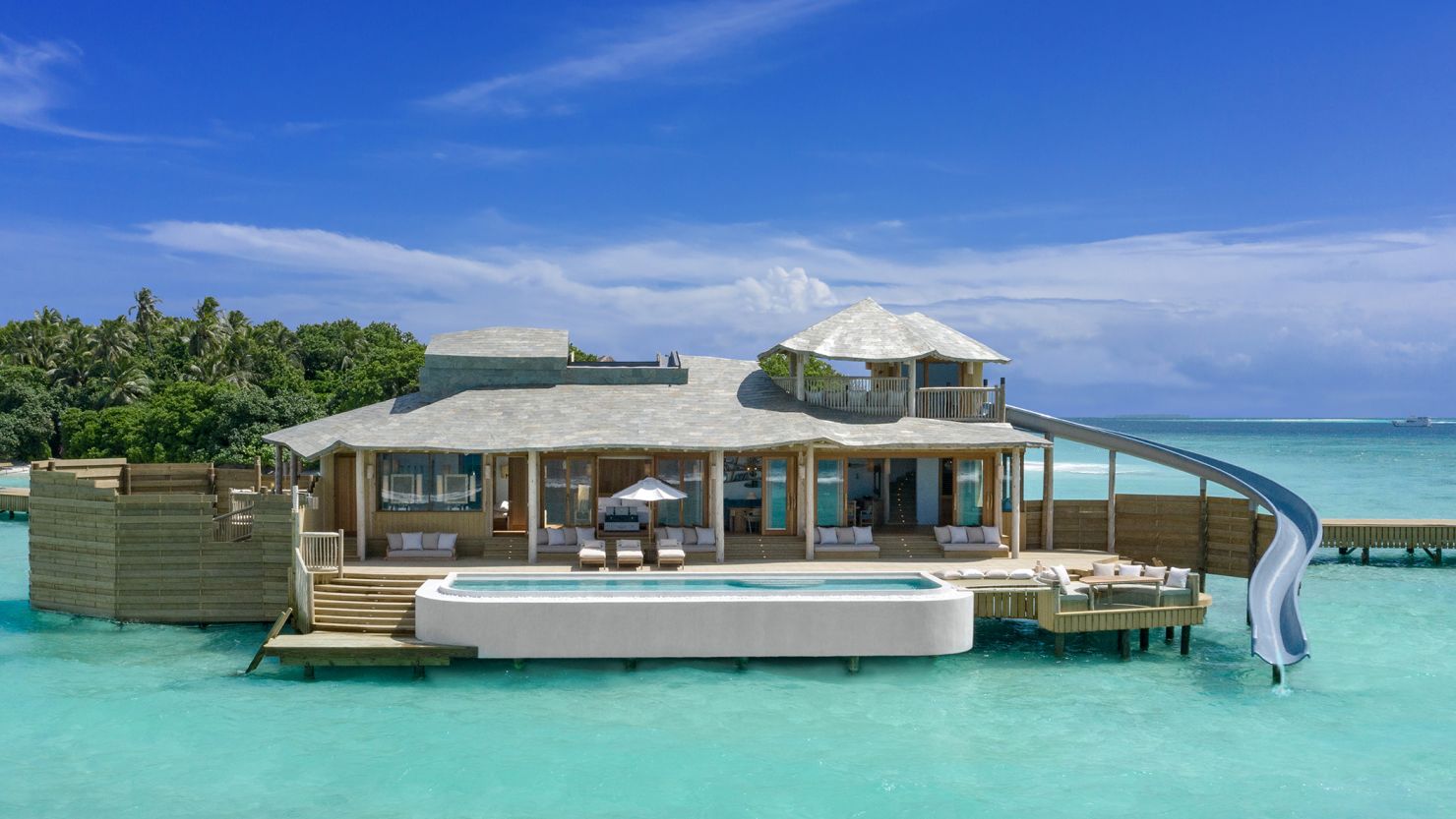
Few resorts have embedded sustainability into their DNA quite like Soneva Fushi.
Long before eco-luxury became fashionable, this Maldivian pioneer built its entire philosophy around responsible hospitality. Its now-iconic “no news, no shoes” approach isn’t just a charming tagline — it signals a deeper intention: slow down, reconnect with nature, and tread lightly. Guests are invited to disconnect from distraction while the resort quietly operates one of the most comprehensive sustainability programs in global hospitality.
At the heart of the operation is Soneva’s impressive Waste-to-Wealth Center, an on-site facility where glass is crushed and transformed into building materials, plastics are repurposed, food waste is composted, and the vast majority of refuse is diverted from landfill. Sustainability here isn’t outsourced — it’s managed, measured, and continuously improved on property.
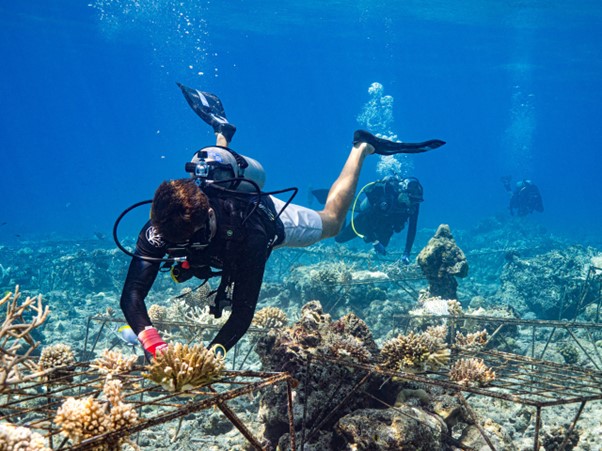
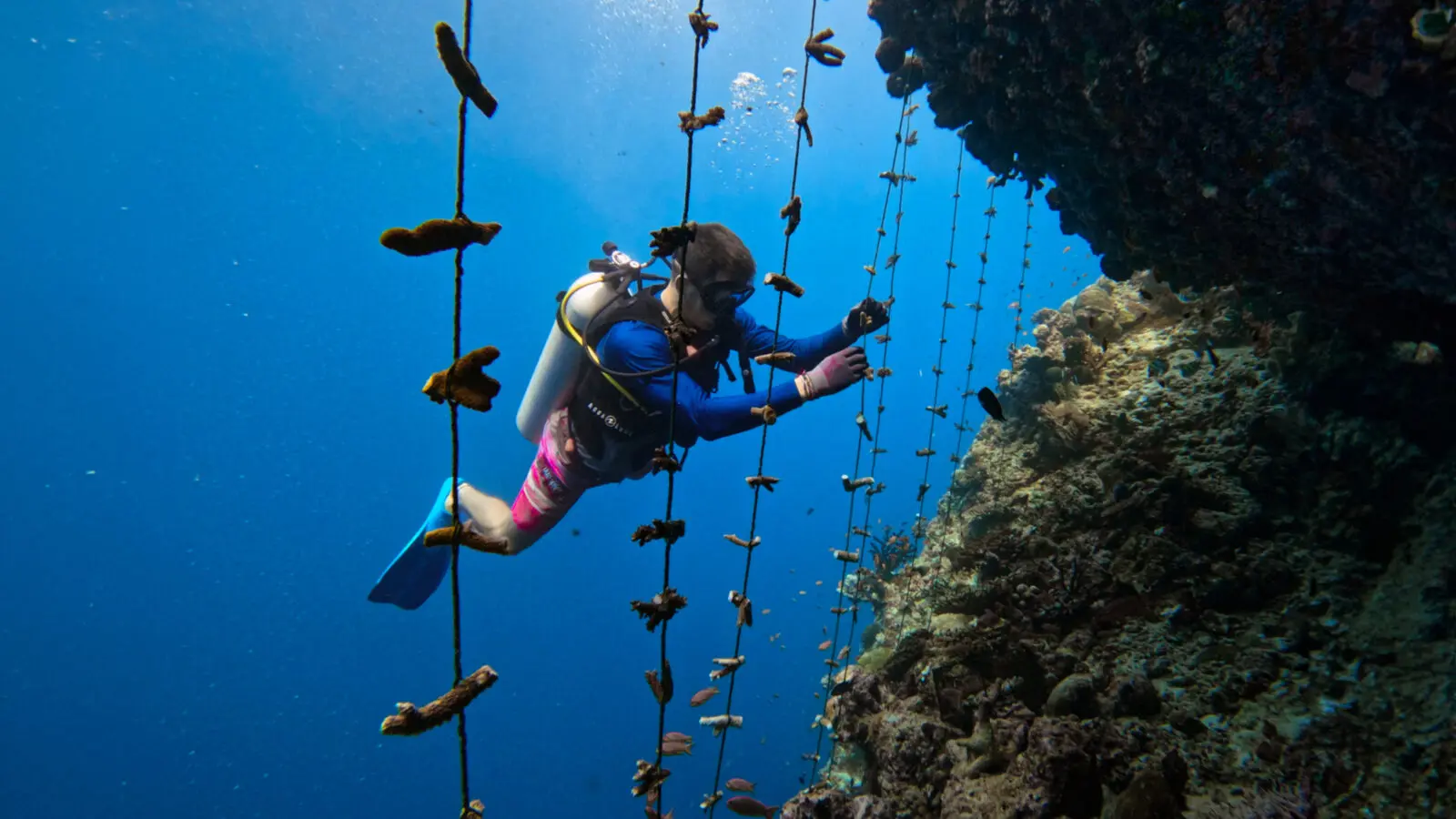
Beyond waste management, the resort plays an active role in marine conservation and coral restoration within the UNESCO-protected Baa Atoll. Marine biologists work on reef regeneration projects, and guests can participate in educational experiences that deepen their understanding of fragile ocean ecosystems. This hands-on conservation model turns awareness into action.
Soneva also funds clean-water initiatives across neighboring islands, helping provide safe drinking water and reduce reliance on imported plastic bottles — a significant issue in remote archipelagos. The impact of your stay extends far beyond the villa.
Architecturally, many of the villas are built using sustainably sourced wood and natural materials designed to blend seamlessly into the island’s jungle landscape. Open-air layouts maximize natural ventilation, reducing energy demand while enhancing the sense of place.
Dining follows the same philosophy. Gardens supply organic produce, seafood is responsibly sourced, and zero-waste culinary programs minimize excess without compromising creativity. The result is cuisine that feels both indulgent and intentional.
What makes this model so compelling is that sustainability is never framed as sacrifice. There are no compromises in comfort, design, or service. Guests experience barefoot luxury, intuitive hospitality, private pools tucked into lush foliage, and extraordinary dining — all while knowing their presence supports marine protection, waste innovation, and community resilience.
At Soneva Fushi, sustainability isn’t a department. It’s the foundation.
2. Wilderness Mombo Lodge — Botswana
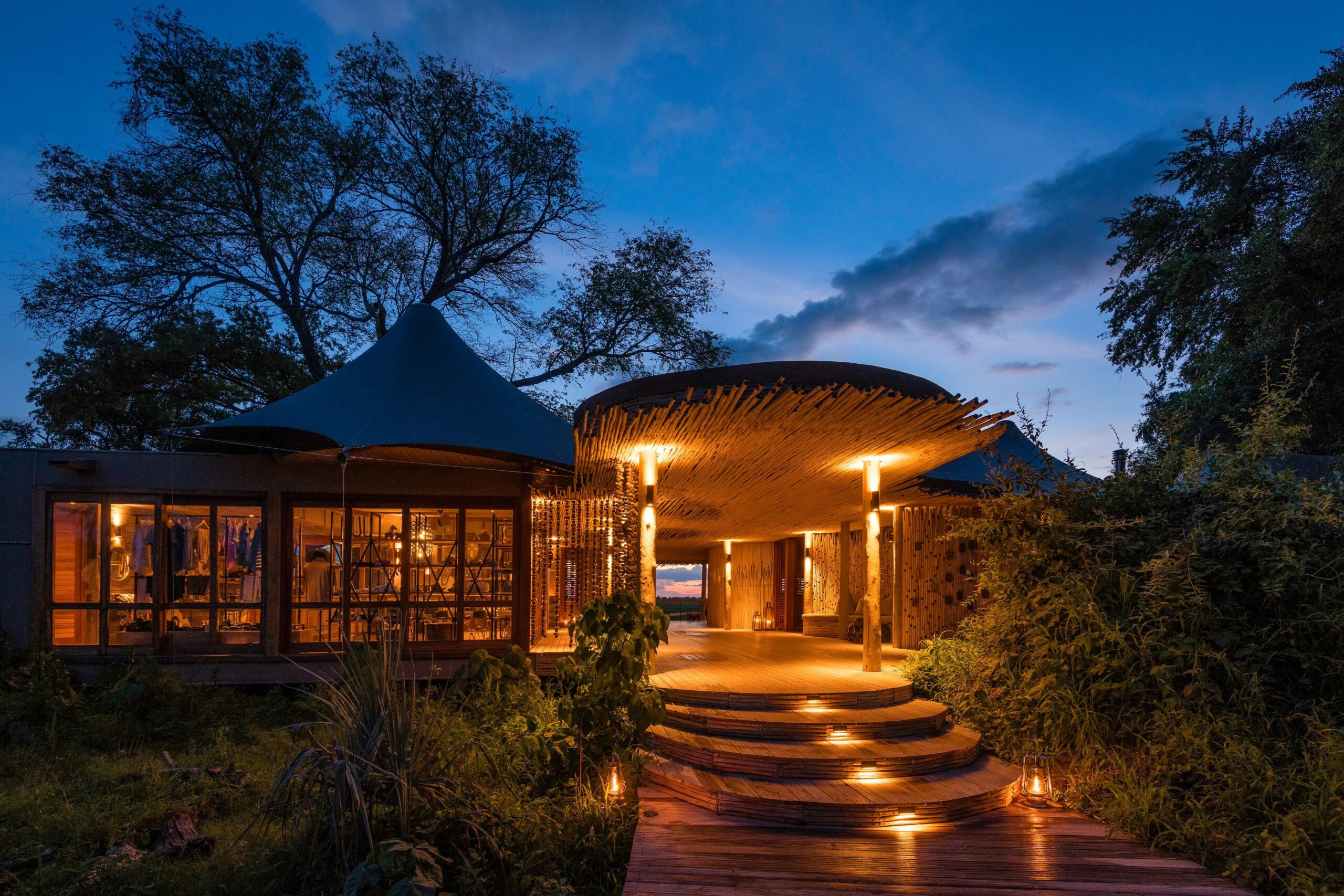
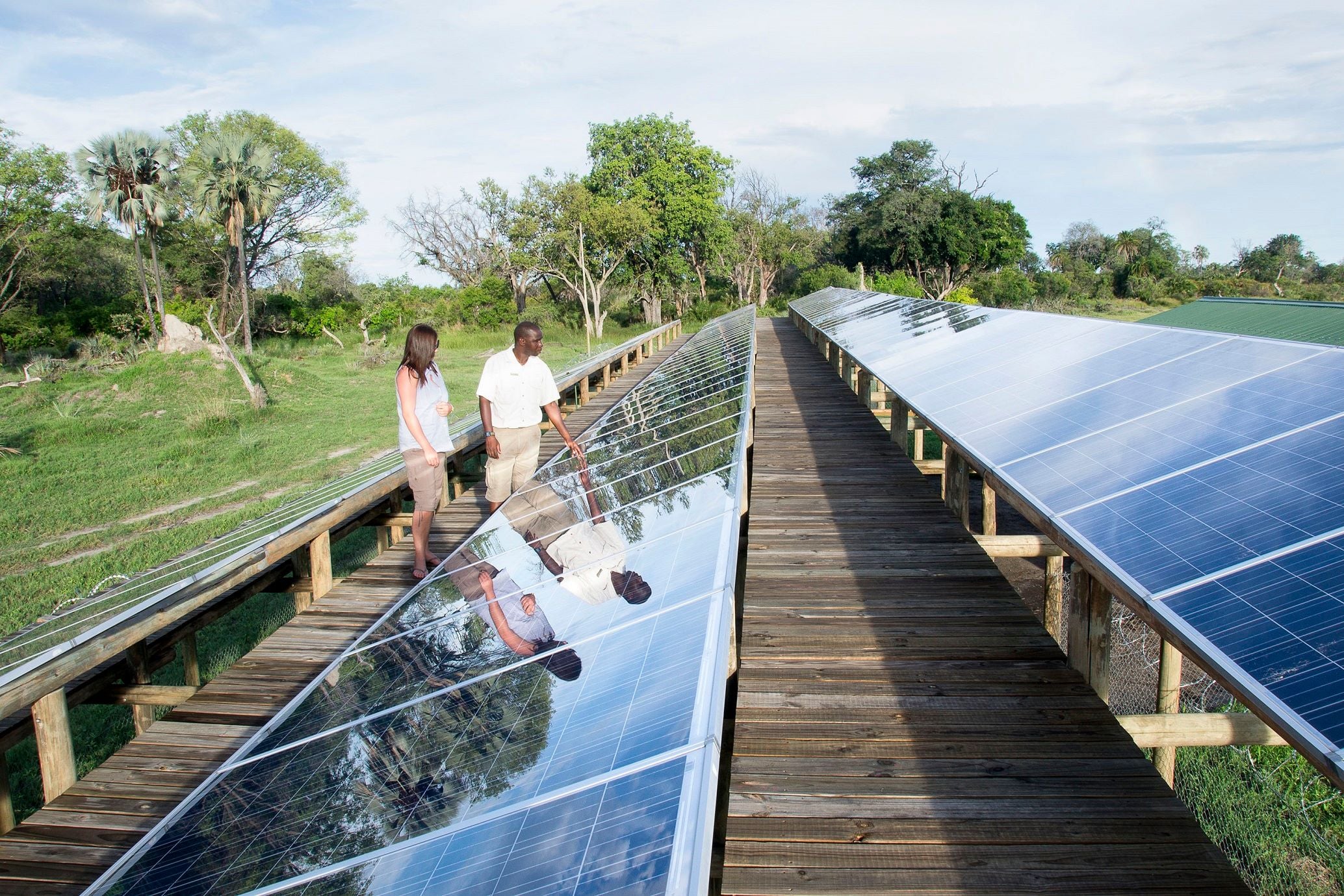
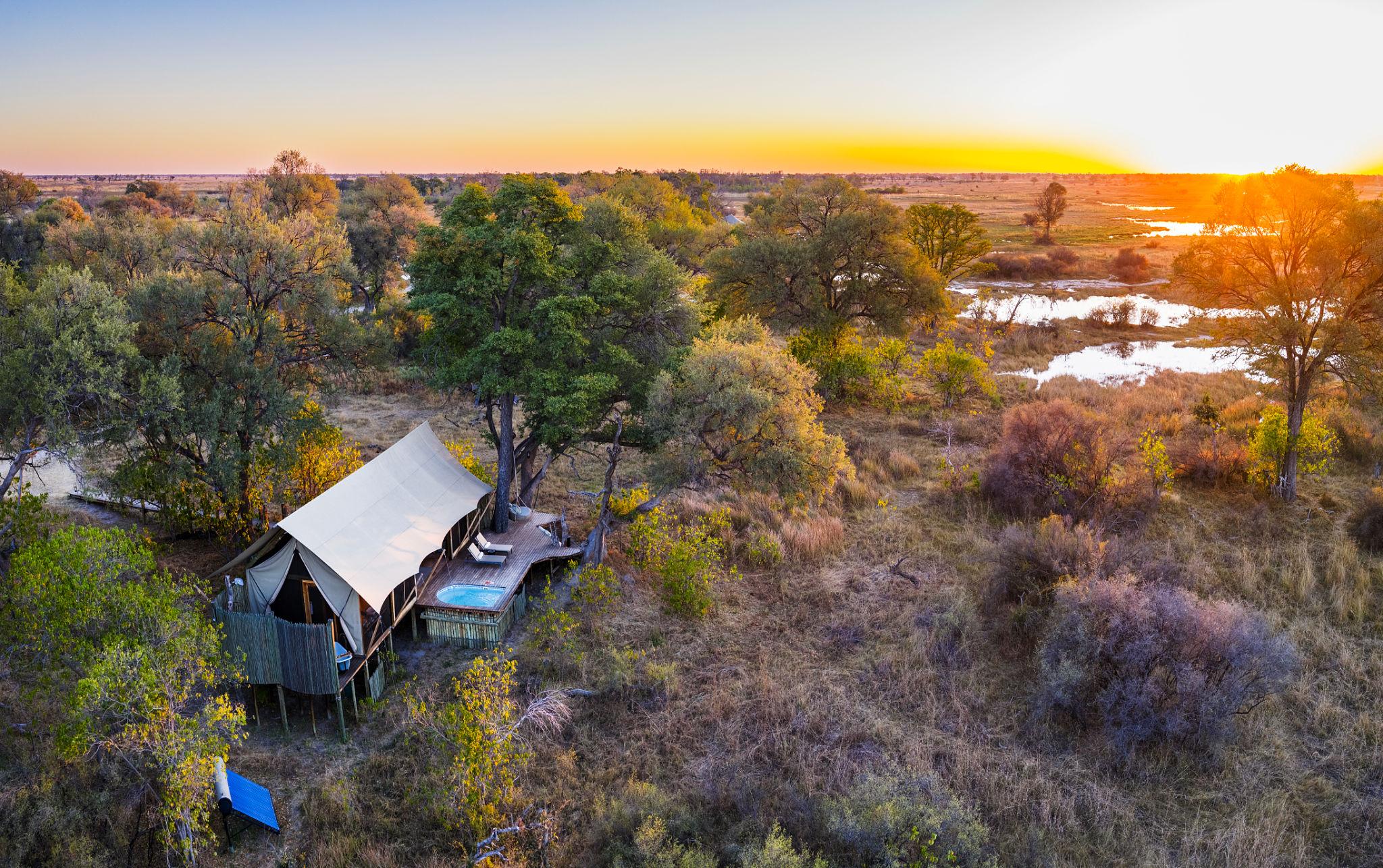
Often referred to as the “Place of Plenty,” Mombo Lodge sits within one of Africa’s most wildlife-rich regions — and its existence is directly tied to protecting it.
Operated by Wilderness, Mombo is built on a model where tourism funds conservation. The lodge runs primarily on solar energy, dramatically reducing reliance on fossil fuels in this remote ecosystem. Its elevated design minimizes impact on the floodplain below, allowing wildlife to move naturally beneath the structure.
But the deeper story lies in its conservation footprint. Revenue generated from Mombo contributes to anti-poaching efforts, habitat protection, and long-term wildlife monitoring across Botswana. The Okavango Delta’s thriving lion, leopard, and wild dog populations are supported in part by this carefully managed tourism model.
Community partnership is equally essential. Wilderness invests in local employment, leadership development, and education initiatives — ensuring that conservation success is shared with surrounding communities.
At Mombo, the luxury is extraordinary — expansive suites, open-air decks, world-class guiding — but the true privilege is knowing your safari helps safeguard one of Earth’s most important ecosystems.
3. The Brando — French Polynesia
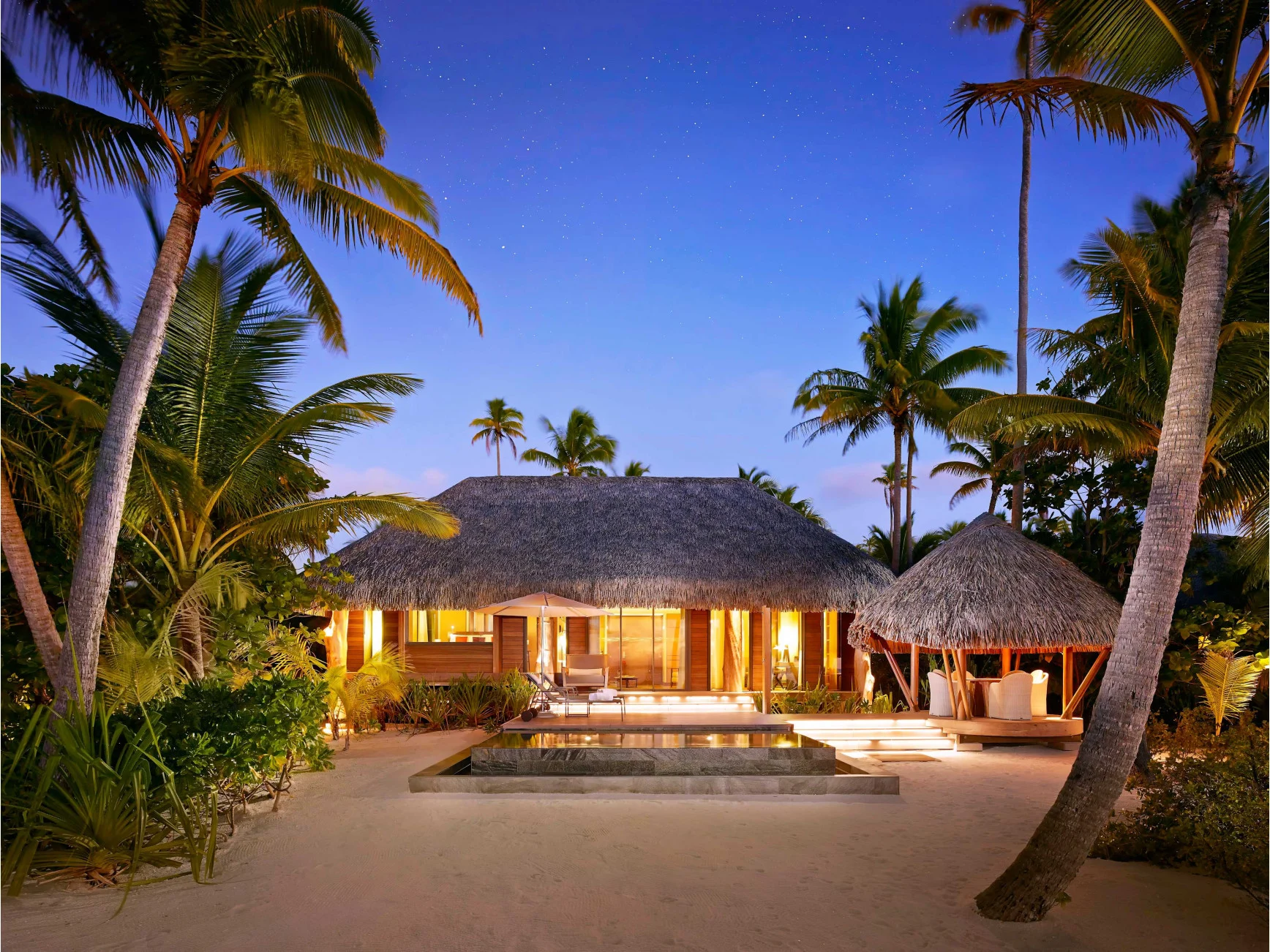

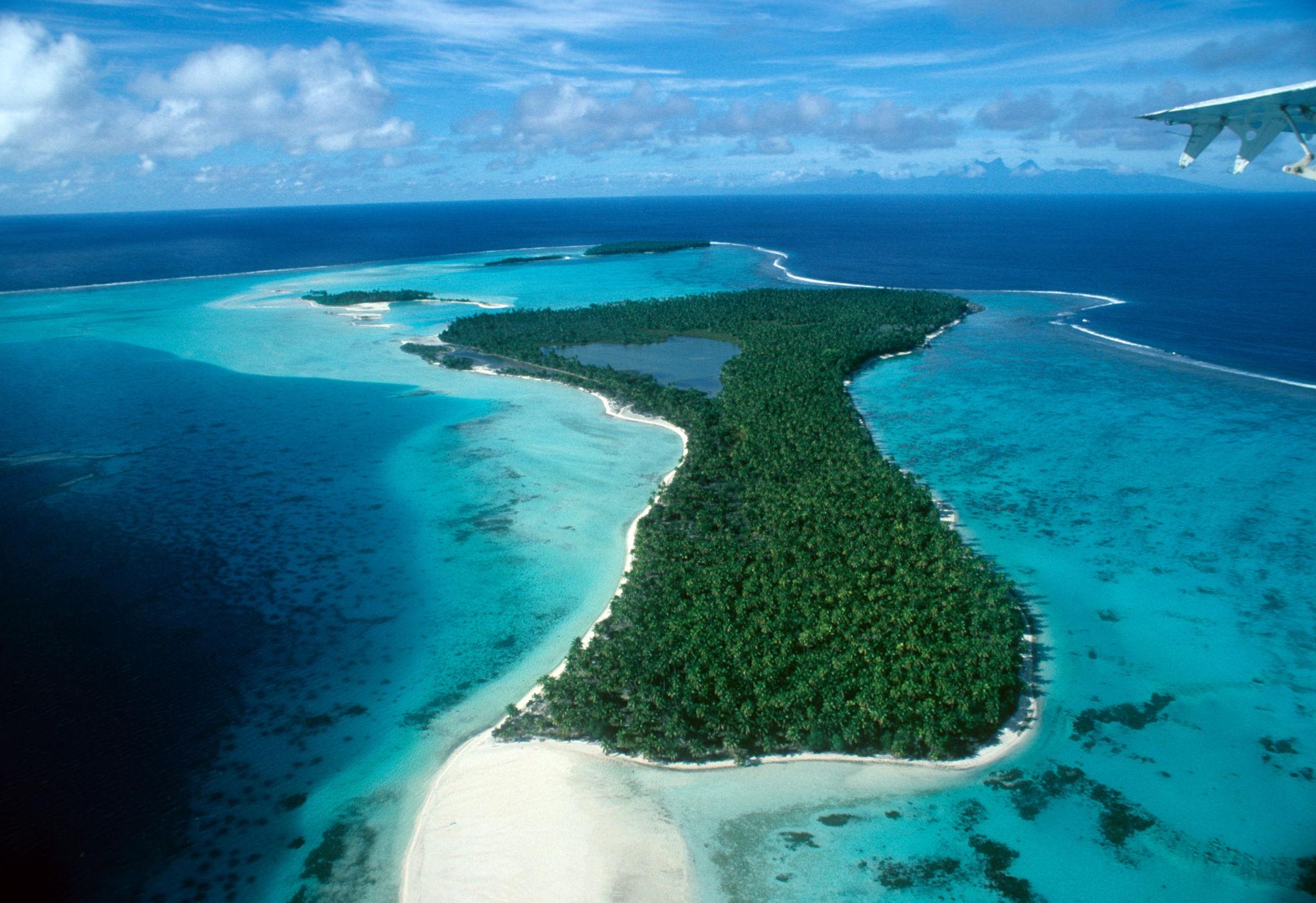
On the private atoll of Tetiaroa, once owned by Marlon Brando, sustainable innovation meets refined island elegance.
The Brando was envisioned as a model for regenerative hospitality — a place where luxury would not strain the fragile ecosystem surrounding it. The resort operates with a pioneering seawater air-conditioning system (SWAC) that uses deep ocean water to naturally cool villas, dramatically reducing energy consumption. Solar panels and battery storage systems further limit carbon output.
Beyond infrastructure, the property partners with scientific research organizations studying coral reefs, bird populations, and climate resilience. Tetiaroa functions not just as a retreat, but as a living research hub.
Equally important is cultural preservation. Polynesian heritage is celebrated through traditional music, dance, and storytelling experiences that honor the island’s identity.
Guests experience expansive beachfront villas, pristine lagoons, and intuitive service — yet beneath the serenity is a sophisticated environmental framework designed to protect the atoll for generations to come.
4. Six Senses Zighy Bay — Oman
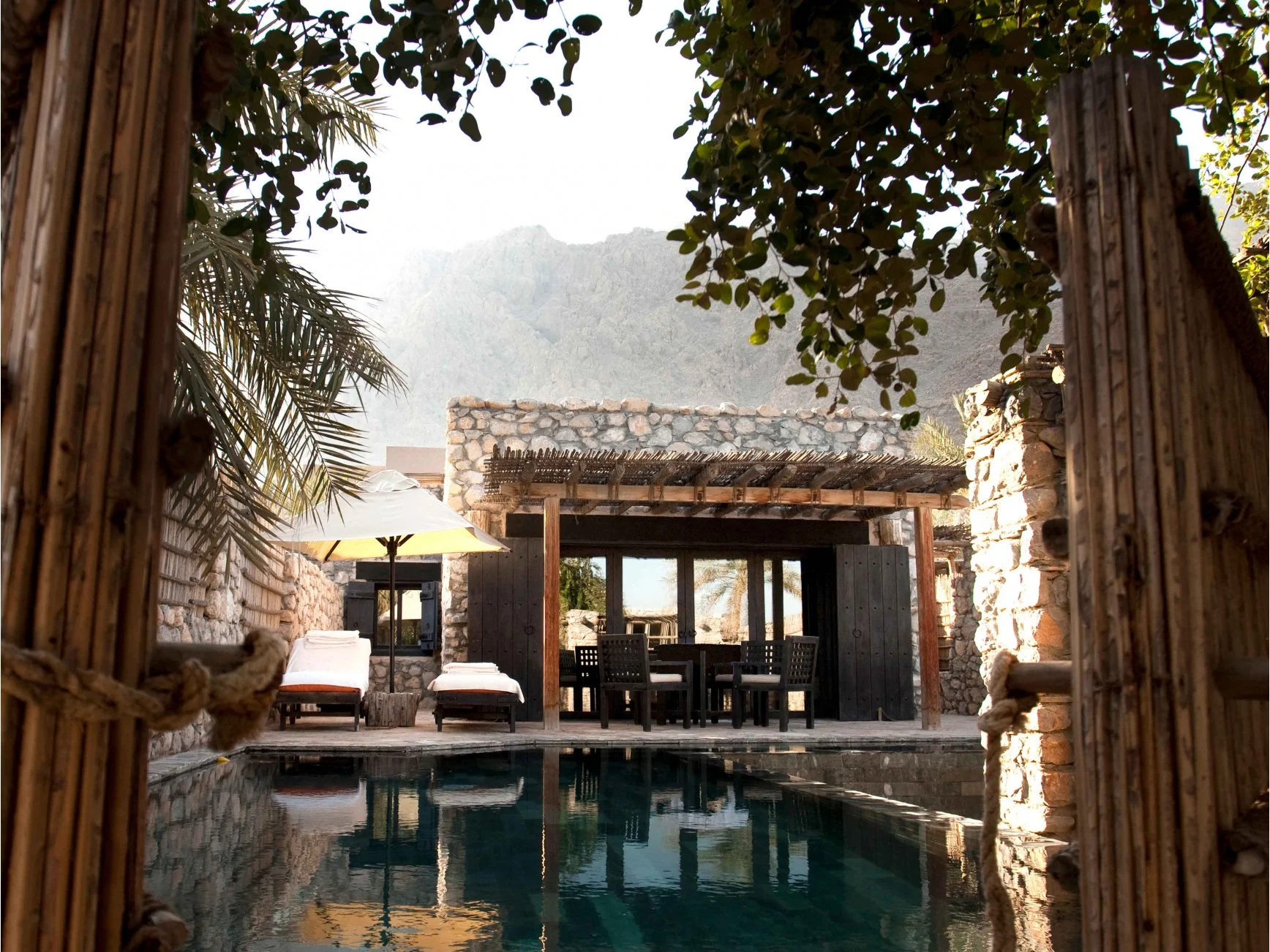

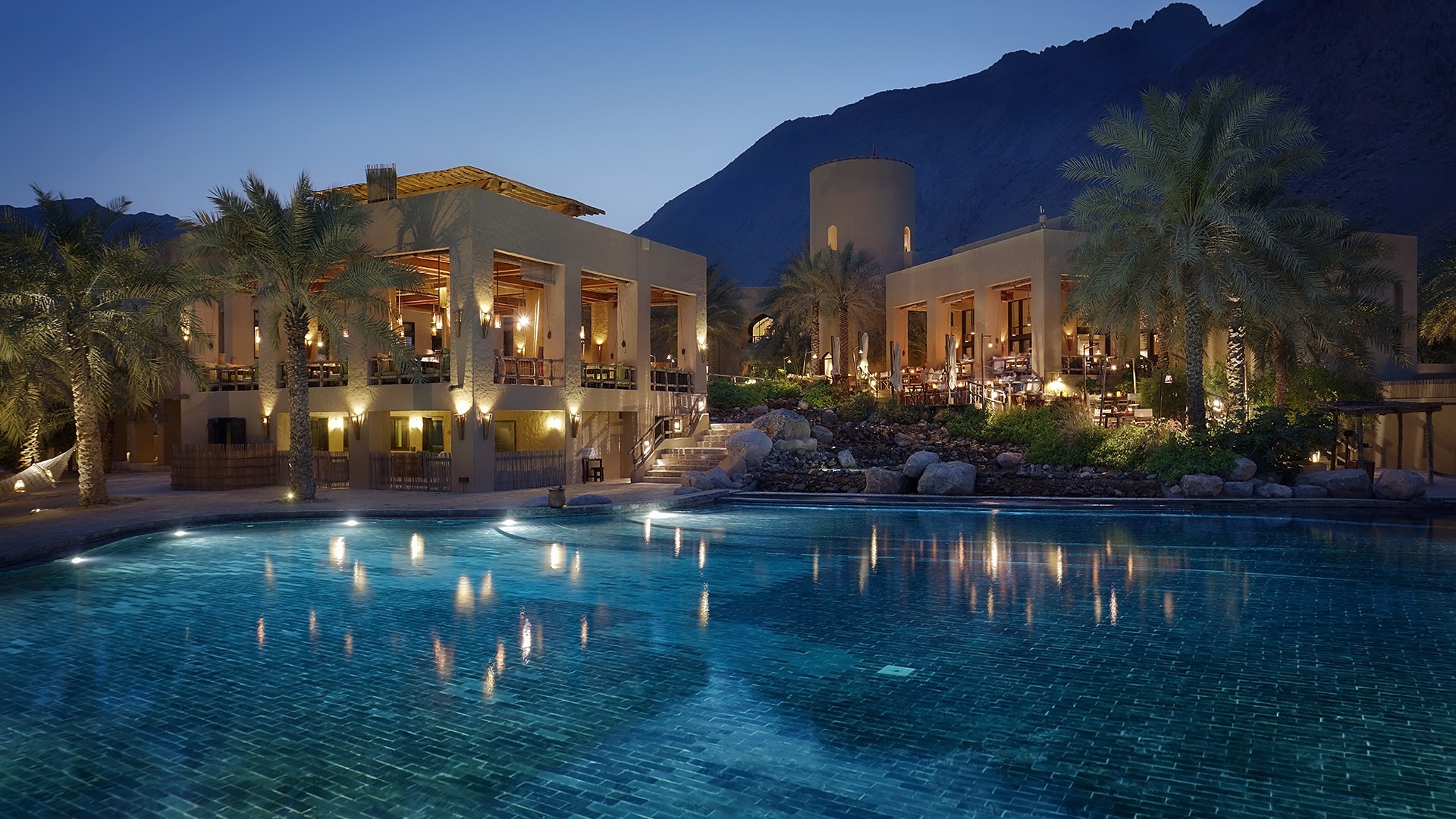
Tucked between dramatic mountains and the Gulf of Oman, Six Senses Zighy Bay demonstrates how sustainability can feel deeply personal and experiential.
Part of the broader Six Senses ethos, the resort emphasizes environmental stewardship through tangible, visible practices. Drinking water is filtered and bottled on-site to eliminate plastic waste. Organic gardens and a working farm supply fresh produce to the kitchens. Waste reduction programs are integrated into daily operations, and energy efficiency is continuously monitored.
Community engagement is also central. The resort invests in local employment and works closely with nearby villages to ensure tourism supports the regional economy.
What sets Six Senses apart is how seamlessly sustainability integrates into wellness. Guests participate in farm tours, mindful dining experiences, and educational sustainability briefings — transforming responsible travel into something immersive rather than abstract.
The result is a stay that nourishes both guest and destination.
5. Fogo Island Inn — Canada
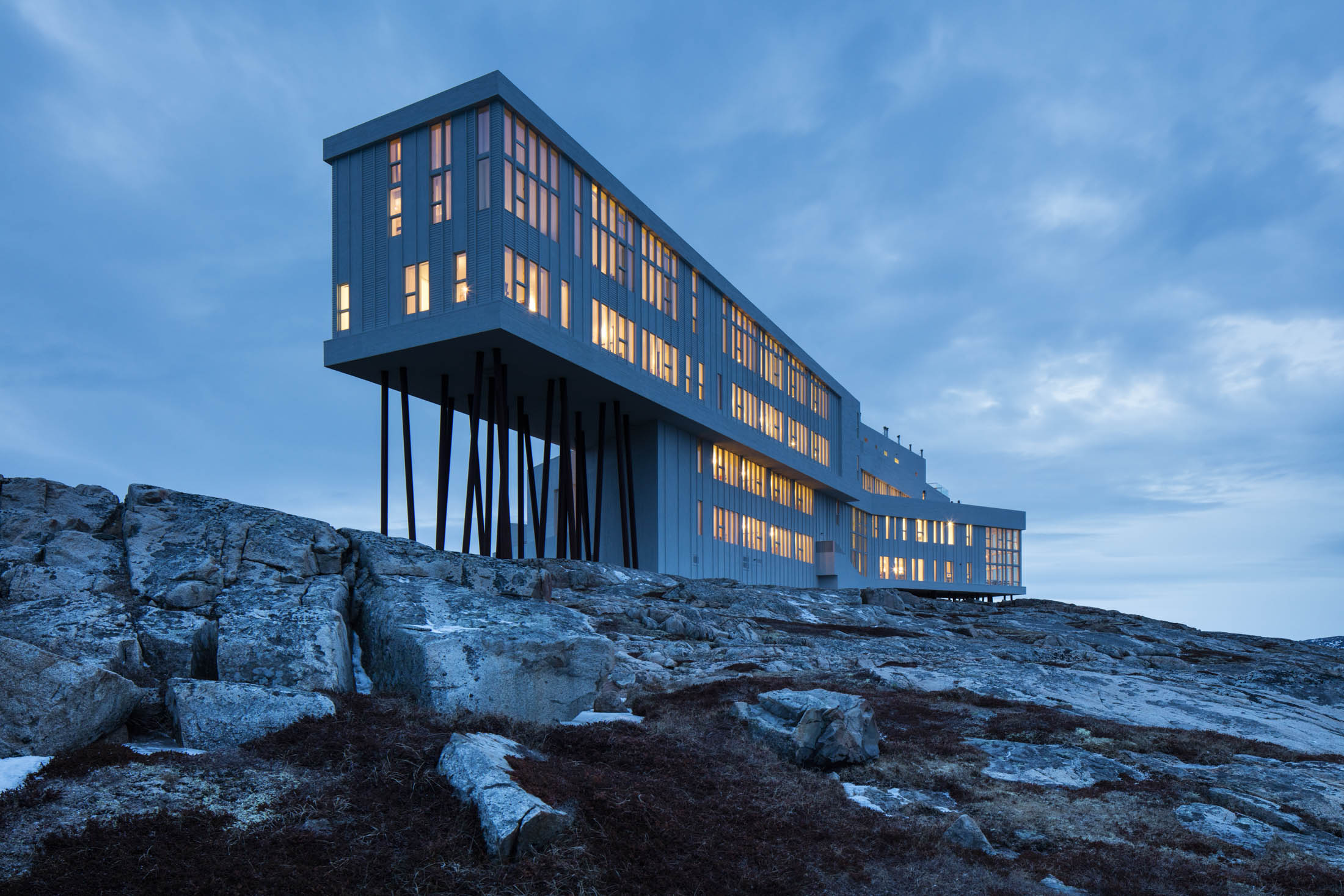
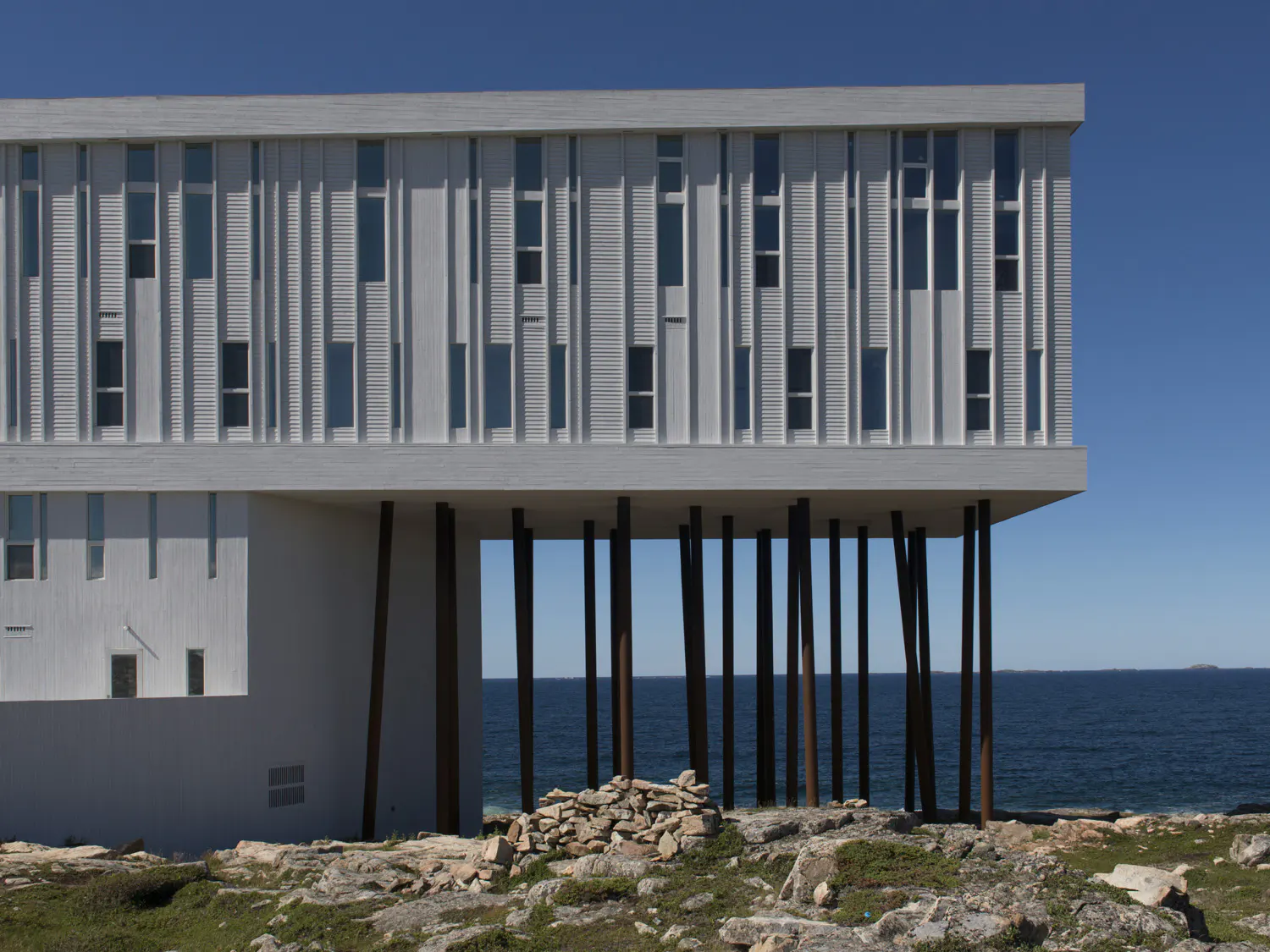
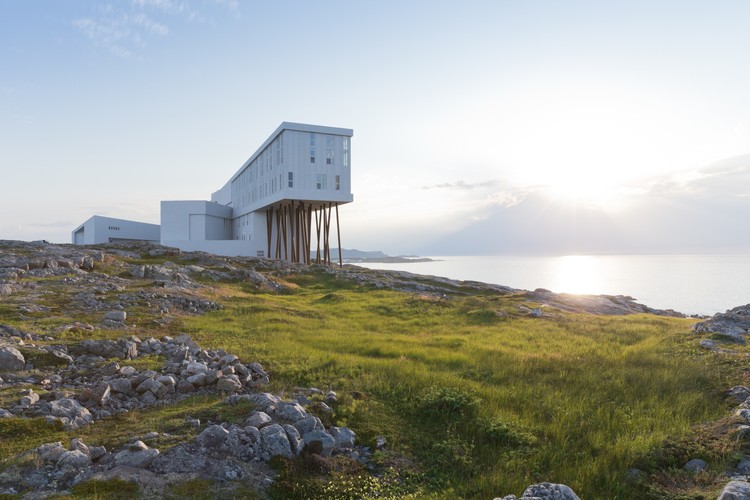
Perched dramatically above the North Atlantic, Fogo Island Inn redefines sustainability through social impact.
Built as a social enterprise, the inn operates with a clear mission: economic resilience for a remote fishing community. Profits are reinvested into local development initiatives, supporting small businesses, artisans, and cultural preservation projects.
Nearly everything inside the inn tells a regional story — from handcrafted furniture made by local woodworkers to textiles woven by island artisans. Guests are invited to connect with community hosts who share stories of life shaped by sea and weather.
Architecturally striking yet deeply rooted in place, the inn is designed to withstand harsh coastal conditions while minimizing environmental disruption.
Here, sustainability isn’t only about carbon footprint — it’s about protecting culture, identity, and livelihood. A stay at Fogo Island Inn directly supports the continuation of a community’s way of life.
Why Where You Stay Matters
The definition of luxury is changing.
It’s no longer just about exclusivity or aesthetics — it’s about alignment. Travelers want to know that their journeys reflect their values. They want extraordinary experiences, yes — but they also want to feel good about the footprint they leave behind.
The most forward-thinking hotels in the world understand this shift. They are investing in renewable energy, wildlife protection, marine research, cultural preservation, and community empowerment — not because it’s trendy, but because it’s necessary.
When you choose where you stay thoughtfully, your trip becomes more than a vacation. It becomes participation.
Participation in protecting fragile ecosystems.
Participation in strengthening local communities.
Participation in preserving cultures and landscapes that deserve to endure.
And the beauty of it all? You don’t have to give up comfort to travel responsibly. The properties leading this movement prove that sustainability and sophistication can exist seamlessly together.
🌍 Travel Beautifully. Travel With Purpose.
At SafariSmiths Travel, we believe exceptional travel should feel as meaningful as it is memorable.
We carefully curate hotels and lodges where conservation is active, not performative. Where community partnerships are long-term, not symbolic. Where sustainability is built into the foundation of the experience — not added as a marketing line.
Whether it’s a solar-powered safari lodge in Botswana, a regenerative island retreat in the Maldives, or a remote inn preserving cultural heritage, we design journeys that align luxury with impact.
Because where you stay matters.
And when designed intentionally, your travels can help protect the very places that inspire you.
If you’re ready to plan a journey that is both extraordinary and responsible, we would love to create something thoughtful, personal, and beautifully aligned with your values.