
The warm fuzzies on safari
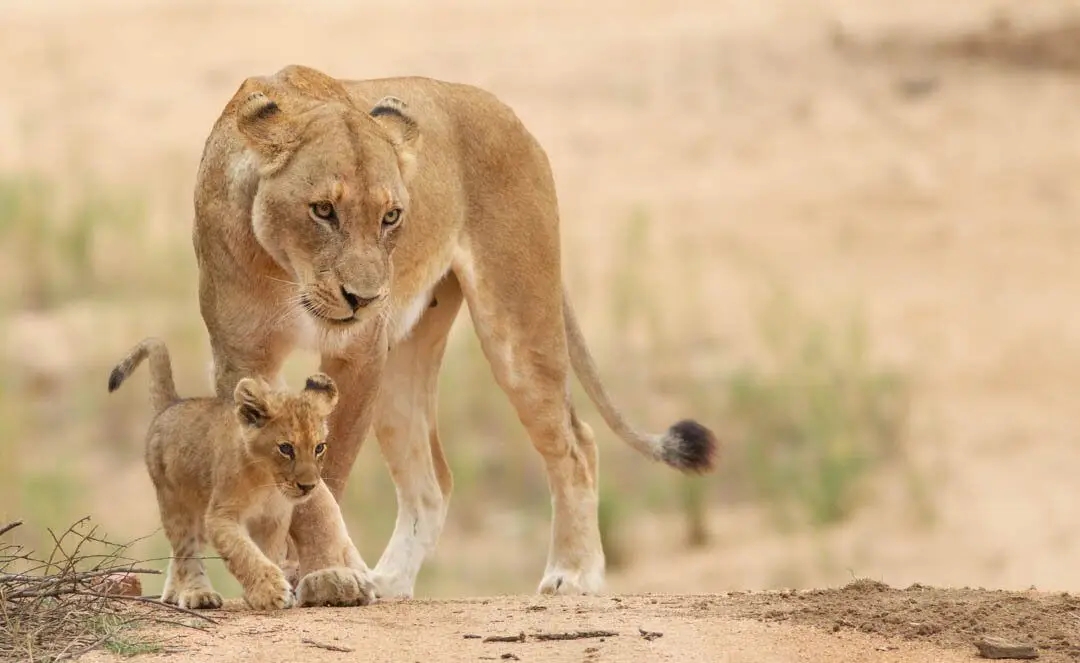
If you’re hoping to see cute baby animals while on safari in Africa,
when’s the best time to go?

Do you find babies stinky, loud, and sticky? Or cute, cuddly, and adorable? Maybe a little of both, if we’re being real?
There’s just something about fuzzy baby animals that makes even the hardest of hearts soften. Awww.
So when you’re planning a safari, when’s the best time to see baby animals in their natural habitat?

in Kenya by Kyle Smith, SafariSmiths Travel
The best time to go on an African safari to see baby animals can vary, depending on the location and the specific species you're interested in observing.
Generally speaking — in many African safari destinations such as the Serengeti in Tanzania or the Masai Mara in Kenya, the best time to see baby animals is during the dry season, which typically falls between June and October.
During this time, vegetation is sparse and water sources become limited, forcing animals to gather around remaining waterholes and rivers. This concentration of wildlife increases the chances of encountering newborns, as many species time their births to coincide with the abundance of food and water.
It’s quite amazing to think about their natural instinct, isn’t it?

for survival and socialization while strengthening their bond with their mothers. Photographed in Tanzania by Kyle Smith, SafariSmiths Travel

Predators are often more active during this time, which can lead to sightings of young animals with their mothers as they navigate the challenges of survival.

Birthing seasons and peak viewing times are different for many species, though, and it's essential to research the specific locations and species you're interested in observing. Factors like weather patterns and local environmental conditions can also influence animal behavior and the timing of births.
At SafariSmiths Travel, we can provide valuable insights into the best times and places for wildlife viewing. The opportunity to observe and appreciate the adorable, relatable antics of baby animals… Best Mother’s Day gift ever?

On Safari: The Ultimate Family Vacation
The perfect multigenerational getaway to unplug, explore, and connect.

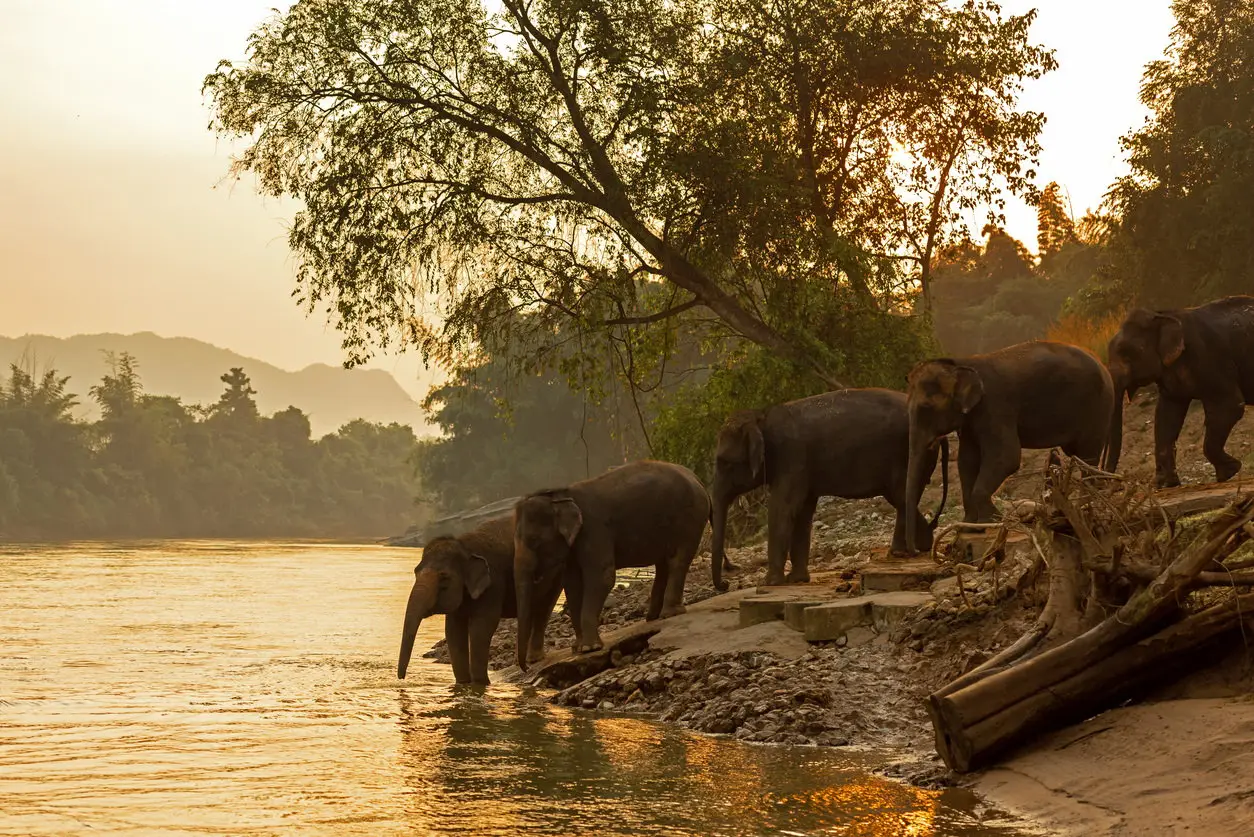
Imagine standing on the vast plains of the Serengeti, your family gathered around as a majestic herd of elephants strolls by, or watching your children light up as they spot their first lion in the wild. A safari is more than just a vacation — it’s a once-in-a-lifetime journey that brings families closer together, offering adventure, education, and unforgettable memories.
Here’s why a safari is the ultimate family getaway — and how SafariSmiths Travel can craft this extraordinary experience for you.

Uniting All Ages in Adventure
Safaris are uniquely suited to multigenerational families. From curious toddlers to adventurous grandparents, there’s something for everyone. Picture grandparents sharing tales under the starlit sky while children learn from expert guides about conservation and African wildlife. The experience fosters meaningful connections across generations, creating bonds that deepen over shared wonder.
Educational and Transformational
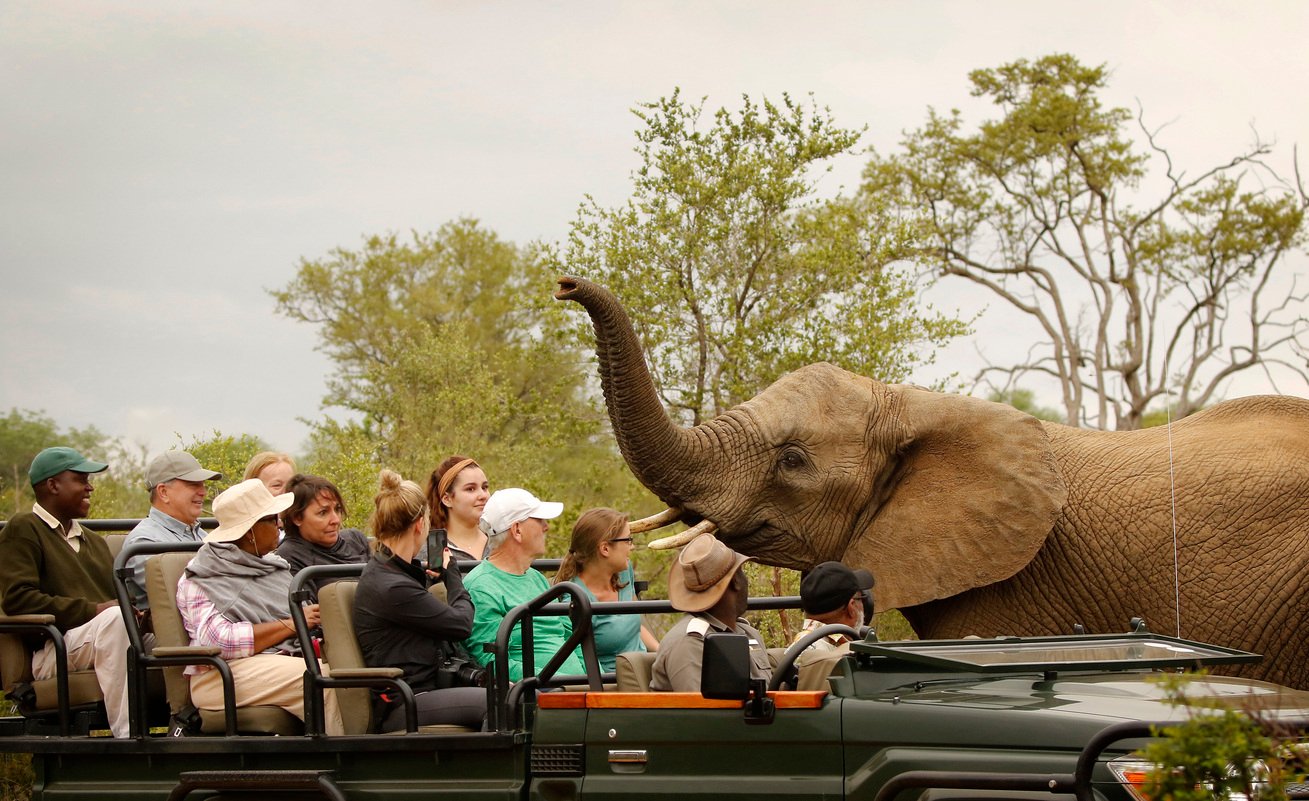
Few vacations offer the immersive learning opportunities of a safari. Guided by knowledgeable experts, families can explore ecosystems, wildlife behavior, and local cultures. Children and adults alike leave with a greater appreciation for the natural world. This kind of education, paired with breathtaking scenery, makes the experience both fun and transformative.
Luxury Meets Family-Friendly Design
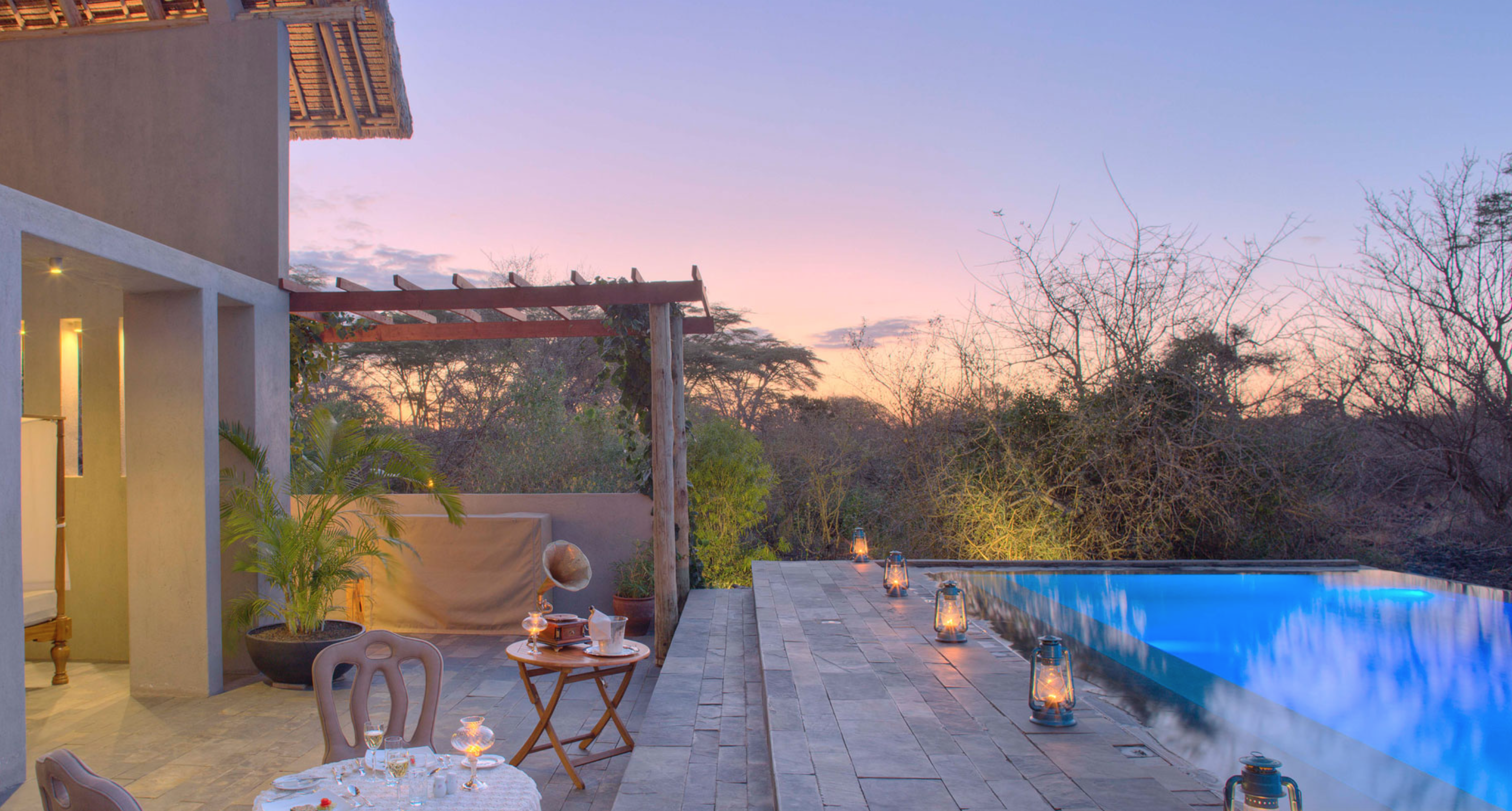
Gone are the days when safaris were rugged, adults-only adventures. Modern luxury camps and lodges cater to families with spacious accommodations, child-friendly menus, and curated activities like wildlife tracking or stargazing. SafariSmiths Travel ensures every aspect of your trip is tailored to your family’s needs, blending luxury and comfort with thrilling exploration.

How SafariSmiths Travel Can Help
SafariSmiths Travel takes the stress out of planning a safari, offering fully customized itineraries that balance adventure, relaxation, and family bonding. Whether you dream of traversing the Okavango Delta by boat or spotting the Big Five in Kruger National Park, SafariSmiths leverages deep expertise and exclusive partnerships to create an unforgettable, seamless experience.
They handle every detail—flights, accommodations, and even private guides—leaving you free to focus on what matters most: sharing an extraordinary journey with your loved ones. Their dedication to luxury and their passion for Africa ensure your safari will be as awe-inspiring as it is hassle-free.
Make Memories That Last a Lifetime
A family safari is more than a vacation; it’s a celebration of connection, discovery, and shared wonder. Let SafariSmiths Travel help you craft the ultimate family adventure—an unforgettable experience that will inspire stories for years to come.
Ready to embark on this journey of a lifetime? Contact SafariSmiths Travel today, and let Africa’s magic create your next family memory.
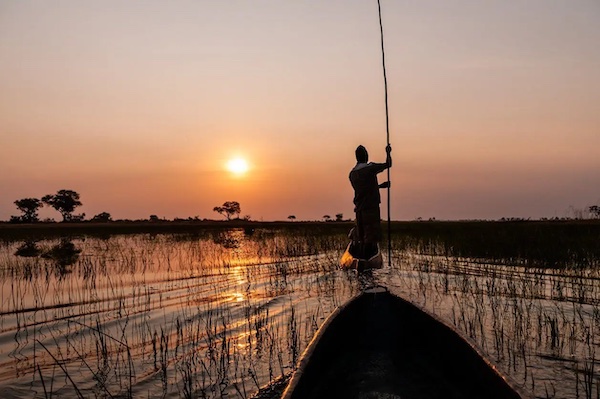
Exploring the Okavango Delta
The Okavango Delta, located in north-western Botswana, is renowned for its incredible wildlife. It’s home to some of the most sought-after species, including elephants, lions, leopards, buffalos, giraffes, hippos, crocodiles, and many species of antelope. The delta is also a birdwatcher's paradise, with over 450 species recorded in the area.

Nestled in the heart of Botswana lies one of the world's most extraordinary natural wonders: the Okavango Delta is a labyrinth of waterways, floodplains, and islands, forming an oasis in the Kalahari Desert. Known for its unparalleled biodiversity and stunning landscapes, the Okavango Delta is a premier safari destination that offers a truly unique and immersive wildlife experience.
A Unique Ecosystem
The Okavango Delta is truly a unique safari destination. Each year, floodwaters from the Angolan highlands surge into the delta, creating a lush, verdant paradise that teems with life. This seasonal flooding supports a rich tapestry of habitats, from permanent marshes and seasonally flooded grasslands to dense forests and palm-fringed islands. The result is a dynamic and ever-changing landscape that provides a haven for an astonishing array of wildlife.

The delta's diverse habitats are home to an impressive variety of animals. Visitors can expect to encounter elephants, lions, leopards, and buffalo — the iconic Big Five — alongside a myriad of other species. Hippos and crocodiles patrol the waterways, while giraffes and zebras roam the plains. Birdwatchers will be in paradise, with over 400 species recorded, including the rare African skimmer and the striking Pel’s fishing owl.

Safari Experiences
A safari in the Okavango Delta is an adventure like no other. Traditional game drives are complemented by unique experiences such as mokoro (dugout canoe) excursions and walking safaris. Gliding silently through the waterways in a mokoro offers a tranquil and intimate perspective on the delta's wildlife, while walking safaris provide the thrill of exploring the bush on foot, guided by expert trackers.
For those seeking luxury, the delta boasts some of Africa's most exclusive safari lodges and camps. These accommodations blend seamlessly with the environment, offering guests comfort and elegance while minimizing their ecological footprint. Whether you choose a tented camp or a luxurious lodge, the focus is always on providing an authentic and immersive wilderness experience.

Conservation and Community
The Okavango Delta is not only a natural wonder but also a model of successful conservation and community involvement. Botswana's commitment to sustainable tourism ensures that the delta remains a pristine wilderness, protected for future generations. Local communities play a crucial role in conservation efforts, with many initiatives aimed at promoting sustainable livelihoods and preserving the unique cultural heritage of the region.
Plan Your Adventure with SafariSmiths Travel
Visiting the Okavango Delta is a journey into the wild heart of Africa. Whether you're a seasoned safari-goer or a first-time visitor, SafariSmiths Travel promises to deliver an unforgettable experience. The best time to visit is during the dry season (May to October), when wildlife congregates around the dwindling water sources, making for spectacular game viewing. However, the wet season (November to April) offers its own charm, with lush landscapes, newborn animals, and fewer tourists.
In the Okavango Delta, nature reigns supreme. It's a place where the rhythm of the wild sets the pace of life, and every day brings new discoveries. For an unparalleled safari adventure, there is no place quite like the Okavango Delta.
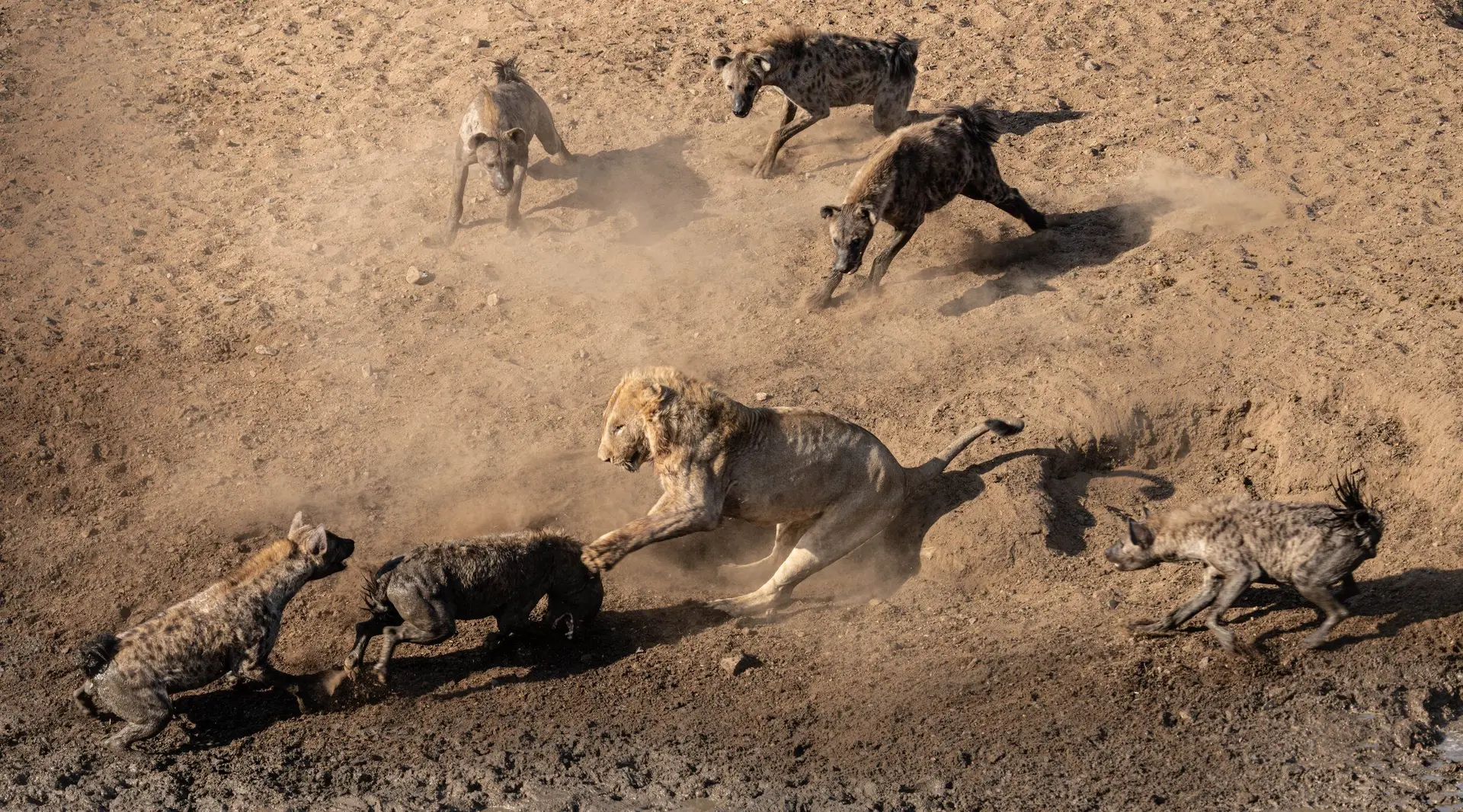
A Battle of Epic Proportions
As I headed out on a game drive in South Africa’s Kruger National Park, I had no clue that — as far as wildlife photographers go — I was about to have an absolute dream day.
All images taken by Kyle Smith, wildlife photographer and SafariSmiths Travel co-founder, with a Sony AR7 IV camera and a Sony 200-600mm lens. All images copyrighted; do not reuse without explicit permission.

The golden African sun hung low over the horizon, casting long shadows across the savanna. I adjusted my camera lens as I sat quietly in the safari vehicle, parked near a solitary acacia tree in Kruger National Park. This park is one of my favorite places on earth, a haven of raw and untamed beauty where nature dramatically plays out its battles in the scorching heat.
We’d been sitting in the safari vehicle for a while, capturing shots of zebra and wildebeest milling around. It was late afternoon when our guide received a call about some activity nearby. Soon afterward a majestic lion emerged, its ribs visible even through his regal, muscular form. The lion moved with purpose, dragging a freshly killed buffalo carcass toward the base of the acacia tree. Careful not to make noise, I leaned into my camera with excitement. I knew I was about to witness something extraordinary.
As the lion began to feed, I captured the scene through my lens, the quiet click of the camera punctuating the silence. The tranquility was short-lived. From the distant plains came the eerie cackle of hyenas and a chill sent down my spine even in the scorching heat. I had a feeling a confrontation was coming. I scanned the horizon and saw the telltale shapes of hyenas approaching, their numbers growing with each passing moment.
The lion paused its feast, lifting its massive head to glare at the advancing pack. The hyenas circled closer, their laughter echoing through the air, a sound that was both sinister and mocking. I knew the lion would not give up its prize easily, but I also understood the cunning and persistence of hyenas. This was going to be a battle of wills.

The first skirmish began as a handful of hyenas darted forward, snapping at the lion’s haunches. With a thunderous roar, the lion swiped its massive paw, sending one hyena sprawling. The rest of the pack retreated momentarily, regrouping just out of reach. The lion stood over the carcass, its body a shield, daring the hyenas to come closer.
My camera clicked away, capturing the raw intensity of the standoff. The sun dipped lower, painting the sky in hues of red and orange. The battle entered its second hour, with neither side willing to concede. The hyenas were relentless, attacking in waves, their numbers giving them confidence. The lion, though powerful, was beginning to tire. Each defense took a toll, and I could see the strain in his eyes.

The hours dragged on, the battle unrelenting and the atmosphere growing even more charged.
As the sixth hour approached, the balance of power began to shift. The lion, exhausted and wounded, stood panting heavily. The hyenas sensed their opportunity and doubled down. I held my breath, unsure if the lion could hold out much longer. The final confrontation was brutal, a frenzy of growls, snapping, and swipes of terrible claws.

In the end, the lion's strength prevailed. With one last, mighty roar, it charged the hyenas with a ferocity that finally broke their resolve. The pack scattered into the setting sun, their defeat evident in their retreating forms. The lion, victorious but battered, collapsed beside the carcass, too tired to eat but unwilling to leave his prize.

I lowered my camera, the memory card full of images that told a story of survival, resilience, and the relentless struggle of life in the wild.
We packed up our gear and our guide quietly started the vehicle. As we drove away, I looked in reverence at the lion who had defended its meal with such extraordinary courage. I felt a profound respect for the creature's spirit. I knew that this epic battle would be a story I would tell for the rest of my life.
A few weeks later, I’d posted a few of the photos on my Instagram account (@kylesafarismith — give me a follow!). They got a lot of attention with the wildlife photographer crowd, and eventually I received a call from The Daily Mail. They did a great feature on my adventure — you can check it out here.
While we can’t guarantee an epic battle of the beasts with every game drive, we can guarantee something special every time you head into that horizon. If you’re ready for a life-changing adventure that you’ll remember forever, give us a call. We would love to accompany you on your journey.
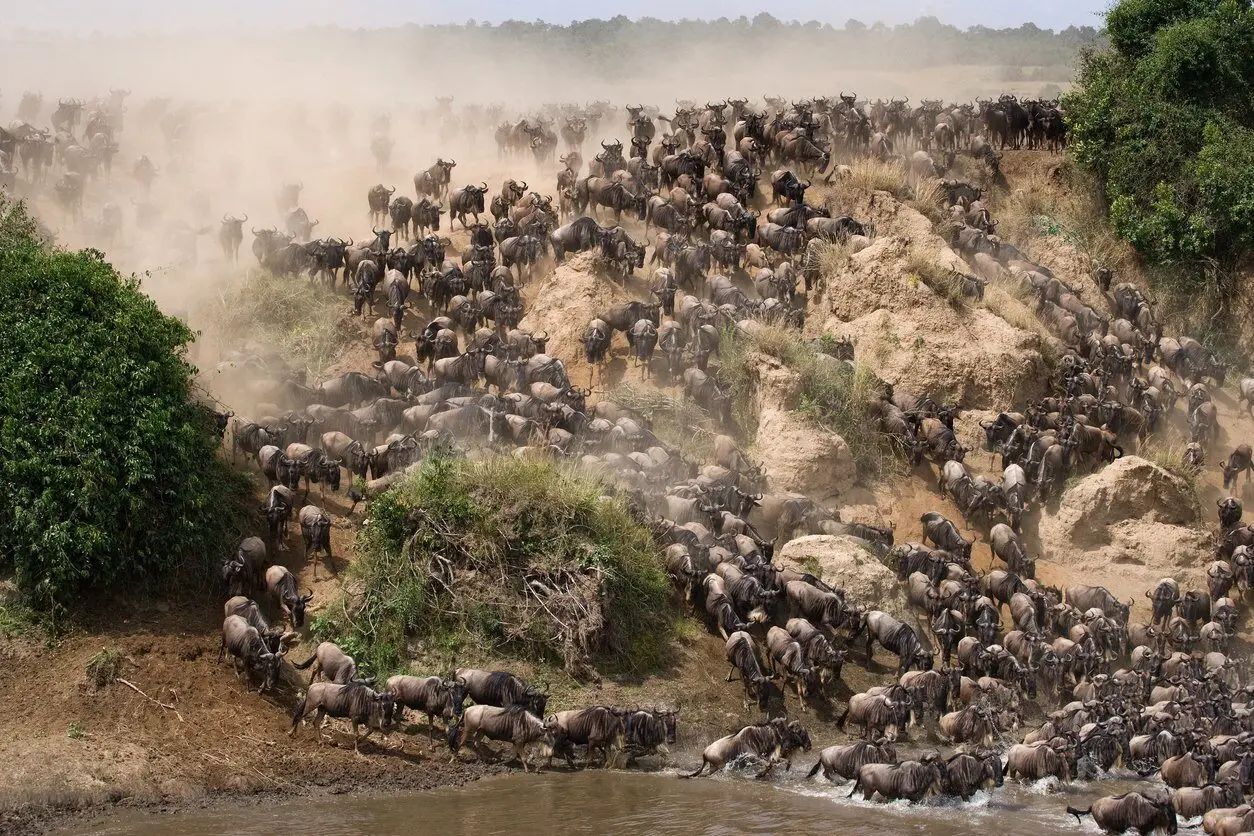
The Greatest Show On Earth

Every year, as the savannah of Tanzania transitions from dry to wet, a natural phenomenon of epic proportions unfolds. It's a spectacle that draws travelers from all corners of the globe, and for good reason: The Great Migration in Tanzania is often referred to as the “Greatest Show on Earth” due to its sheer, awe-inspiring scale.

Imagine being surrounded by hundreds of thousands of wildebeest, zebras, and gazelles traveling the vast savannah and surging rivers in search of greener pastures. This dramatic display of natural behavior is not just a migration – it's survival, a testament to the resilience and instinct of Africa's iconic wildlife.

The migration in involves millions of animals, primarily wildebeests but also zebras and gazelles, instinctually moving in great herds across the Serengeti plains. Witnessing this massive movement of wildlife is unlike any other natural event on Earth.

The migration is not only about the herbivores' journey but also about the predators that follow in their wake. Lions, cheetahs, hyenas, and other predators capitalize on the abundance of prey, leading to dramatic hunts and displays of the circle of life.
The Great Migration is not a one-time event but a continuous cycle driven by the search for food and water. It follows a seasonal pattern as the herds move between the Serengeti in Tanzania and the Maasai Mara in Kenya, providing opportunities for travelers to witness different stages of the migration throughout the year. You can check out our Seasonal Guide to Safari in Africa here.

Finally, The Great Migration is deeply ingrained in the cultural heritage of East Africa's indigenous people and plays a crucial role in maintaining the region's ecosystems. It sustains diverse wildlife populations and supports local economies through tourism, underlining the interconnectedness of nature and human communities.
SafariSmiths Travel has been traveling to Tanzania for several years now to ensure that we can make the best recommendations for your travels. And though it’s a bit hush hush right now… we are planning for some tremendously exciting things coming soon. We would be thrilled to help you experience the Great Wildebeest Migration for yourself. It's truly a journey you'll never forget.
So if you've ever dreamed of witnessing nature in its raw, untamed glory, you’re in great hands. Let’s get started.
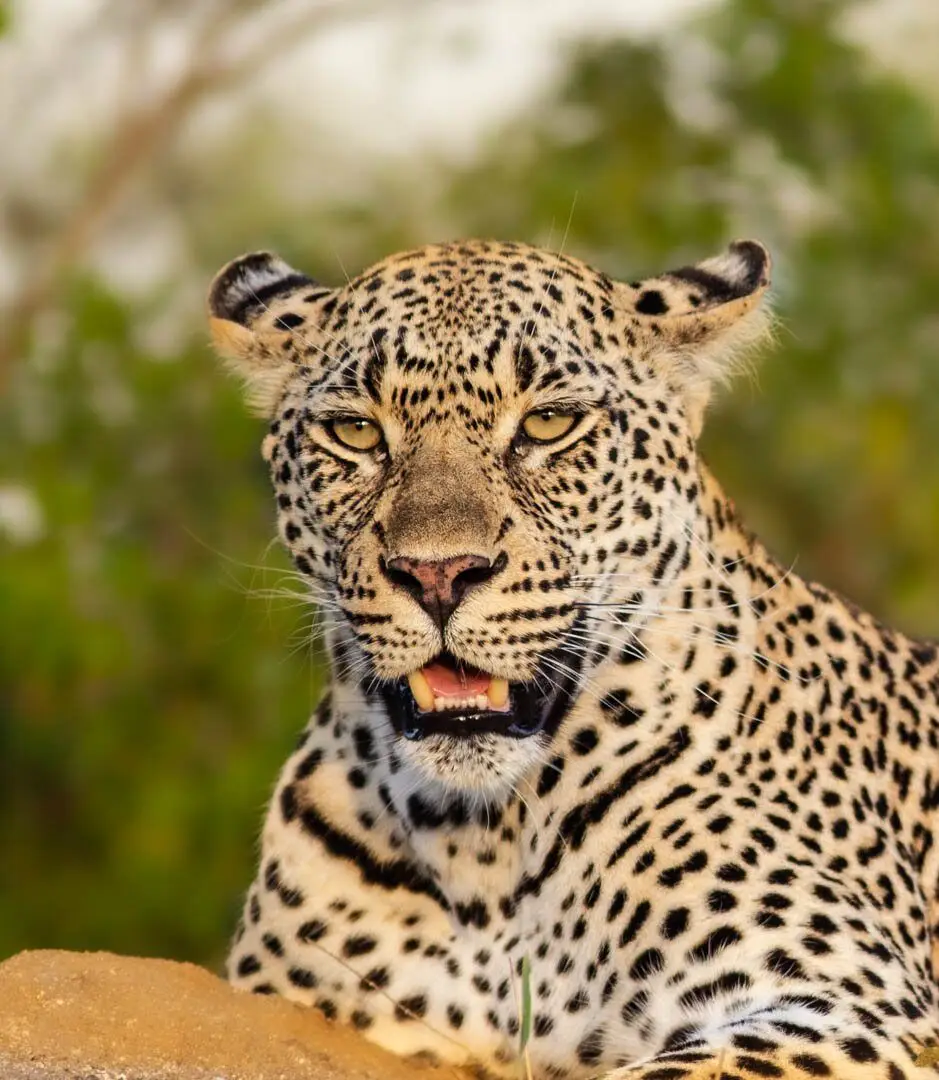
All Hail The Queens
National Geographic’s newest documentary series “Queens” just dropped, and we obviously binge-watched it immediately.
Our main takeaway? We don’t call her Mother Nature for nothing.
National Geographic’s seven-episode limited docuseries “Queens” uses stunning camera work to focus on the females, matriarchs, and sisterhoods of the wild.
The gorgeous cinematography showcases female lionesses, elephants, and other wildlife relentlessly in their pursuit to protect what’s theirs. Each story is wrapped in a powerful and bold soundtrack, showcasing the females’ leadership, cunning behavior, and all-too-relatable motherhood experiences. Not to mention — the honey-voiced Angela Bassett is the narrator. The film definitely has style.
All in all, we give this series a 10/10. All Hail the Queens.

You can watch Queens on Disney+, but if what if you want to see these incredible animals up close?
Exploring the wilderness on safari is a life-changing experience. Join us on our journeys by following us on Instagram and TikTok at @SafariSmithsTravel, and on Facebook at @SafariSmiths.
And if you want to go a few steps further, why not start planning the trip of a lifetime? We would love to help!
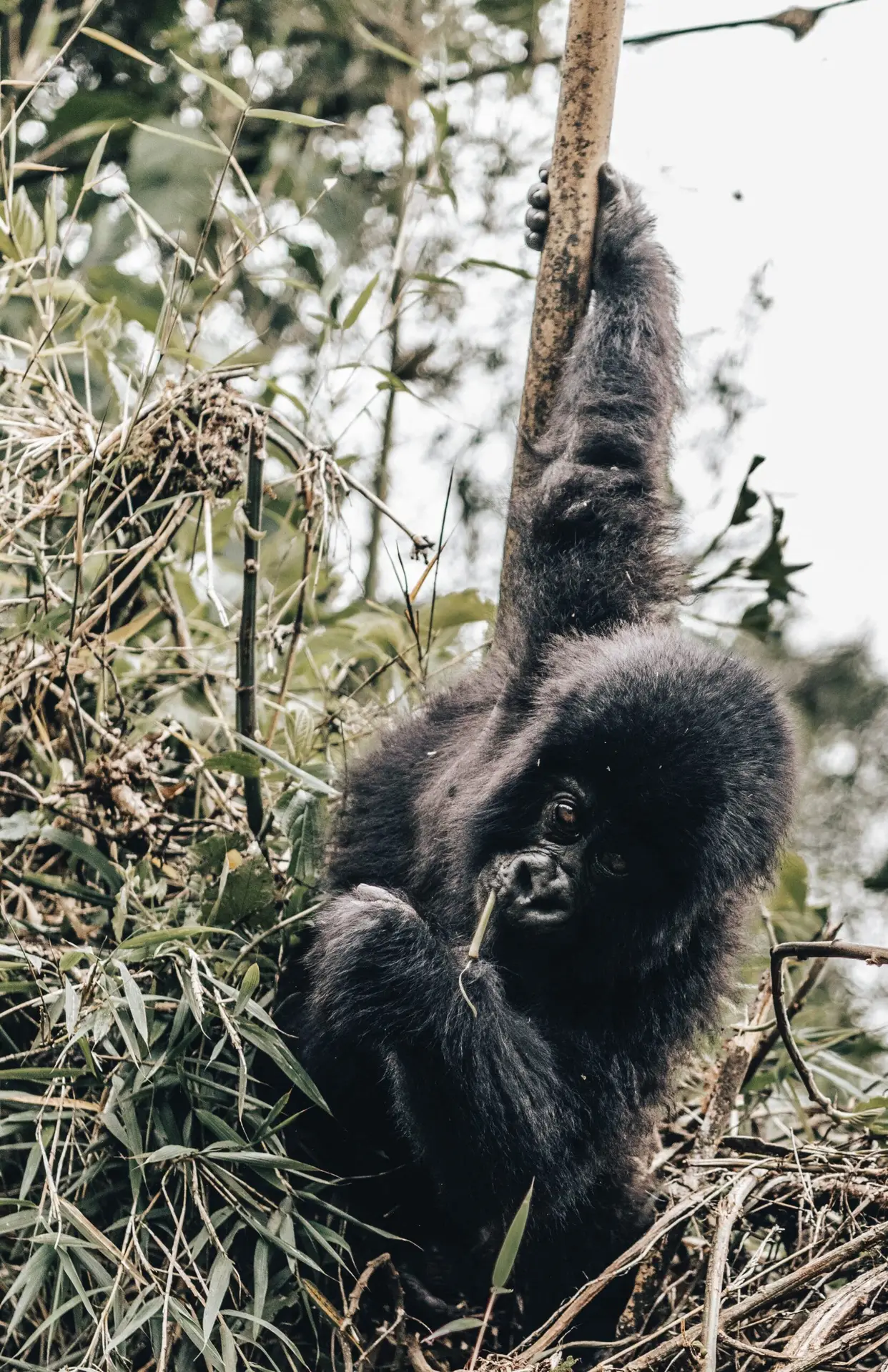
Trekking Tough: Conditioning for Gorilla Encounters
7 Tips To Get You Ready To Trek In Rwanda

An African safari is a dream for many adventure enthusiasts. There are so many ways to safari, and that’s the beauty of it — it’s a multigenerational activity that can be completely customized to all levels of comfort. Trekking with mountain gorillas in Rwanda, however, is definitely an expedition for the thrill seekers.
The physical challenges that you’ll face on a Rwandan trek are not insurmountable, but you’ll definitely want to give yourself the best shot at getting ready for the adventure of a lifetime by adding some training to your preparation.

Cardiovascular Endurance
Trekking through the rugged terrain of the African wilderness requires stamina and endurance. You’ll want to incorporate lots of cardio exercises such as hiking, jogging, cycling, or swimming into your fitness routine to build up your cardiovascular fitness. Aim for at least 30 minutes of moderate to vigorous aerobic activity on most days of the week.
Strength Training
Strengthening your muscles, especially legs, core, and upper body, will help you move through the forest’s uneven terrain and steep inclines with ease. Lots of squats, lunges, calf raises, planks, and push-ups will improve overall strength and stability.
Flexibility and Mobility
Flexibility is crucial for preventing injuries and navigating through Rwanda’s dense vegetation and rocky terrain. Add stretching exercises into your routine to improve flexibility and mobility in your muscles and joints. Focus on areas such as the hamstrings, quadriceps, calves, hips, and shoulders.
Practice Hiking
If you can, getting comfortable with hiking is highly recommended. By adding regular hiking trips into your workout routine, it will simulate some of the conditions you'll encounter during your safari. If you’re newer to hiking, start with shorter hikes and gradually increase the distance and elevation gain to build up your endurance and get used to walking for extended periods.
Train with Hiking Boots
You’ll have porters to carry your backpack on your trek, but it’s a good idea to practice hiking in the boots that you’ll be wearing. Especially if you’re heading out during the rainy season: it can get pretty squishy out there.
Stay Hydrated and Eat Well
This should be rule number 1, really. Proper hydration and nutrition are essential for your best performance and recovery. Drink plenty of water throughout the day, especially during training sessions, and eat a balanced diet rich in lean proteins, complex carbohydrates, healthy fats, fruits, and vegetables to fuel your body for the physical demands of trekking.
Listen to Your Body!
Pay attention to any signs of fatigue, discomfort, or injury during your training sessions. It's essential to listen to your body and give yourself adequate rest and recovery time to prevent overuse injuries and ensure that you're in peak condition for your trek.

By following these tips and incorporating a well-rounded training regimen into your routine, you'll be better prepared to tackle the challenges of trekking with mountain gorillas on an African safari. Savor every moment of this incredible adventure and cherish the opportunity to witness these magnificent creatures in their natural habitat.
To inquire about how you can add trekking with the mountain gorillas to your safari itinerary, get in touch! We’d be thrilled to get you started.

Into The Heart Of The Jungle
Trekking with Mountain Gorillas in Rwanda

As travel advisors, we have had the immense privilege of exploring some of the most breathtaking destinations on Earth — we’ve seen hundreds of wildebeest crushing through the Mara River during migration and apex predators battling it out on the Serengeti.
But nothing quite prepared us for the awe-inspiring experience of hiking through the mist-shrouded volcanoes of Rwanda to visit the mountain gorillas who call the lush forests home.

After arriving at the national park headquarters, our knowledgeable guides explained essential information about gorilla behavior, conservation efforts, and the dos and don'ts of encountering these magnificent creatures (DO bow your head, DON’T point your finger or make big movements!).
We set off into the dense jungle, accompanied by skilled trackers and armed guards for our protection.

The trek itself was an adventure in its own right. We navigated through tangled vines, over moss-covered rocks, and under the canopy of ancient trees. It’s amazing how much your senses are heightened by the sounds and scents of the forest.
And then, suddenly, there they were. Through a gap in the foliage, we caught our first glimpse of a family of mountain gorillas in a clearing, going about their daily routine with a serene grace that disguised their sheer power and strength. It was a moment of pure magic, as we observed these gentle giants in their natural habitat, completely at ease in our presence.
We were able to spend an hour with the gorillas. To lessen human exposure, the guides are very strict with this time limit — even a slight cough or cold can be hugely detrimental to the whole troop. In our time with them, we witnessed intimate moments of playfulness, nurturing, and communication. We watched as infants clung to their mothers' backs, juveniles played in the undergrowth, and silverbacks assert their dominance with powerful displays of strength.

Photo: Kyle Smith, SafariSmiths Travel
But amidst the wonder and beauty, there's a poignant reminder of the fragility of their existence. Mountain gorillas face numerous threats, from habitat loss to poaching, and their survival hangs in the balance. In Rwanda, dedicated conservation efforts have helped to turn the tide, with populations slowly but steadily increasing.
The opportunity to trek with the gorillas is not inexpensive, but for good reason: the exclusivity. The tours are priced higher because of the strong need for the privacy of these incredible animals. A large portion of the permit fee goes toward the mountain gorilla conservation efforts.

As we said goodbye to our gorilla companions and made our way back to civilization, we were filled with a profound sense of gratitude. For the opportunity to witness these incredible creatures up close, for the dedicated individuals working tirelessly to protect them, and for the natural wonders of our planet that continue to inspire and humble us.
Trekking with the mountain gorillas in Rwanda isn't just a journey into the heart of the jungle—it is truly a journey into the soul, reminding us of our connection to the natural world and the importance of preserving it for future generations.
To inquire about how you can add trekking with the mountain gorillas to your safari itinerary, get in touch! We would be thrilled to get you started.
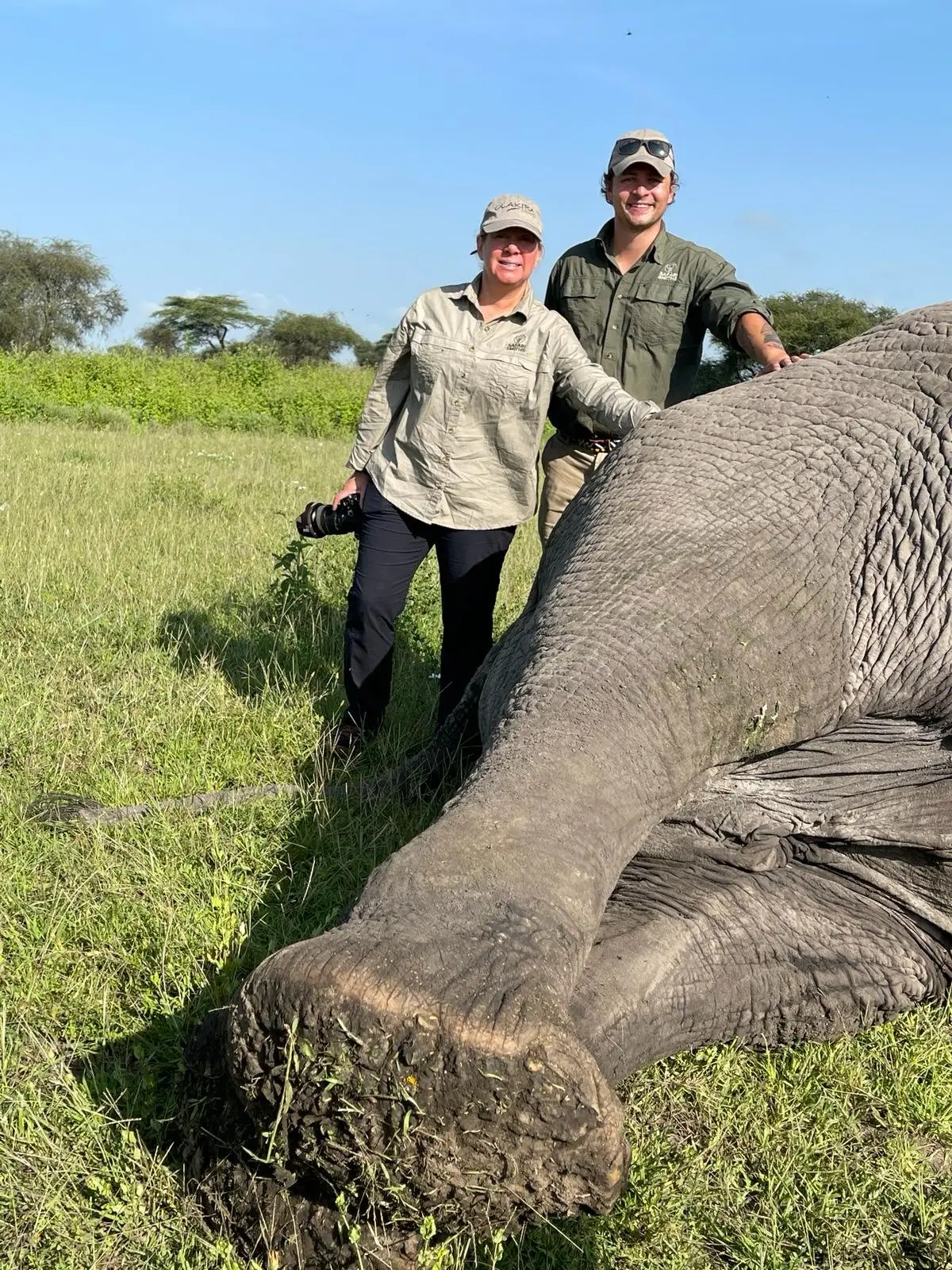
Conservation on Safari
Travel for good.

Your African safari has the potential to not only change your life, but a whole lot of others as well.
As you prepare for an unforgettable journey through Africa's diverse landscapes, SafariSmiths Travel invites you to discover how you can actively contribute to wildlife conservation efforts while on your trip.
From participating in wildlife monitoring programs to engaging in habitat restoration initiatives, we'll provide insights into meaningful ways you can make a positive impact on the environment and local communities while enjoying the wonders of the African wilderness.
Join us as we delve into the intersection of travel, conservation, and sustainable tourism in one of the world's most iconic safari destinations.

Safari guests who go wildlife watching in national parks and nature reserves automatically support local nature and species conservation to some extent. For example, the fee paid at the entrance to the park is used for managing and maintaining the protected area, while the constant presence of guests serves to deter poachers.

On specially designed conservation safaris, on the other hand, safari guests can take a much more active role in supporting the work of real conservationists in the field. Not only do you get to enjoy breathtaking landscapes and fabulous wildlife, but you also gain a deeper understanding of wildlife conservation and how it affects our greater world.

Wildlife Monitoring and Research
Some safari lodges and conservation organizations offer opportunities for visitors to assist with wildlife monitoring and research activities. This may involve tracking and identifying animal species, recording behavioral observations, or collecting data for research projects.

Anti-Poaching Patrols
Joining anti-poaching patrols with trained rangers can be an eye-opening experience and a direct way to contribute to wildlife conservation efforts. Participants may accompany rangers on patrols to monitor and protect wildlife from poachers, as well as learn about the challenges and strategies involved in combating illegal wildlife trade. Check out our blog about The Akashinga and The Black Mambas to learn more about these incredible organizations.

Community Outreach and Education
Engage with local communities near safari destinations to learn about their conservation challenges and initiatives. Visitors can participate in community outreach programs, environmental education workshops, or cultural exchanges to raise awareness about conservation issues and promote sustainable practices.
Habitat Restoration and Conservation Projects
Get involved in habitat restoration activities such as tree planting, invasive species removal, or waterhole maintenance. These hands-on conservation projects help restore and maintain critical habitats for wildlife, enhance biodiversity, and mitigate the impacts of habitat degradation.

Wildlife Rehabilitation Centers
Visit wildlife rehabilitation centers and sanctuaries that rescue, rehabilitate, and release injured or orphaned animals back into the wild. Some centers offer volunteer opportunities for visitors to assist with animal care, feeding, and enrichment activities under the guidance of trained staff.
Conservation-focused Tours and Workshops
Choose safari operators or lodges that prioritize conservation and offer specialized tours or workshops focused on wildlife conservation and environmental stewardship. These experiences may include guided nature walks, birdwatching tours, or photography safaris led by knowledgeable guides who share insights into local ecology and conservation efforts.
Supporting Responsible Tourism Practices
Opt for eco-friendly accommodations and tour operators that prioritize sustainable tourism practices and contribute to local conservation initiatives. Choose lodges or camps that minimize their environmental footprint, support community-based conservation projects, and promote wildlife conservation through responsible tourism practices.

Raising awareness and fostering a culture of conservation is paramount in securing the future of Africa's wildlife. Education programs, ecotourism initiatives, and advocacy campaigns can empower communities to become stewards of their natural heritage and inspire a sense of pride and responsibility towards wildlife. By participating in these conservation activities during an African safari, travelers not only have the opportunity to experience the beauty of wildlife and landscapes but also play a meaningful role in protecting and preserving Africa's natural heritage for future generations.
If conservation is important to you and you’d like to learn more about how you can include it in your trip, let us know! We would love to show you the many options you can explore to make your trip even more meaningful.
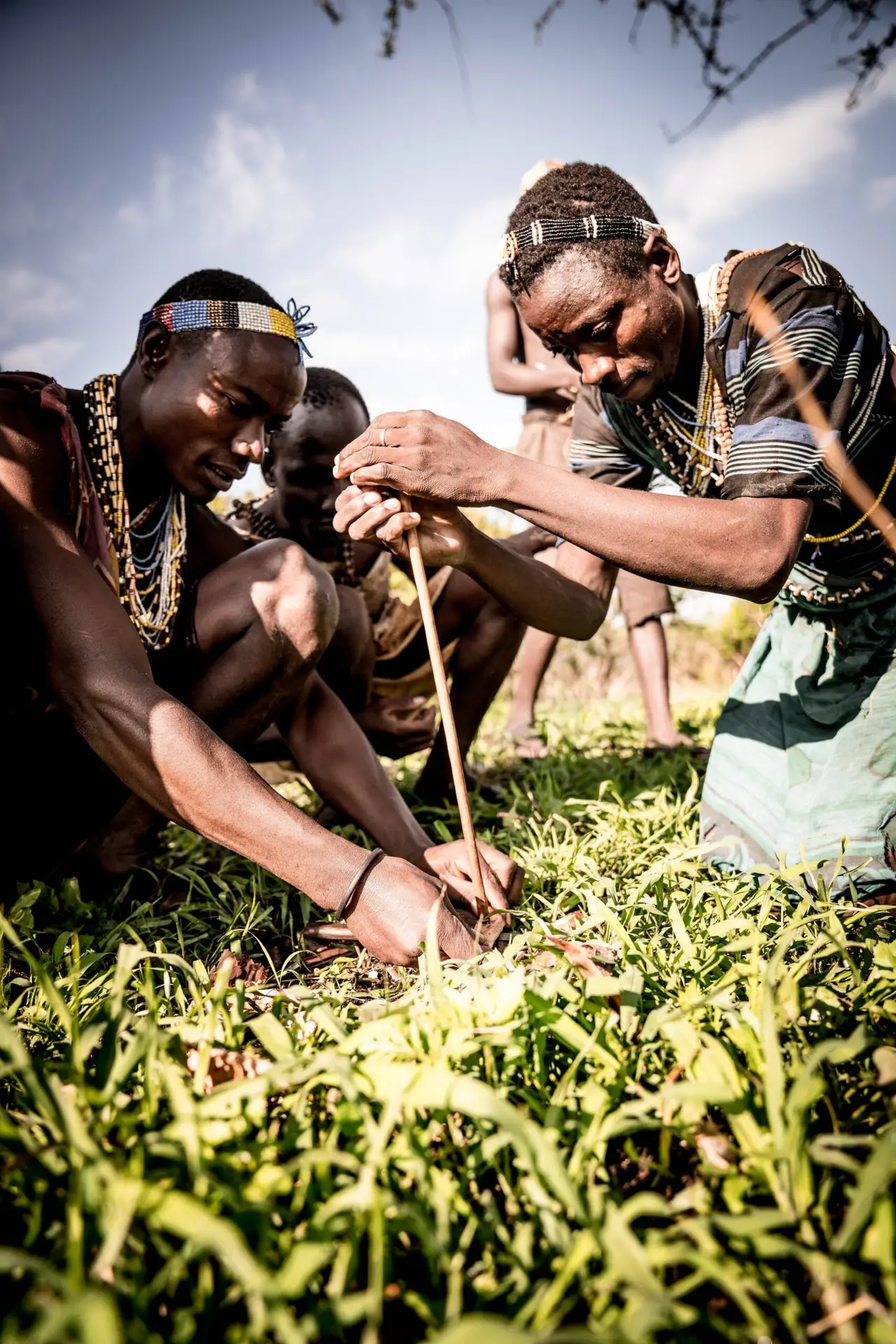
A Day with The Hadzabe Tribe
SafariSmiths Travel’s co-founder and former ranger Kyle Smith writes about his honey-gathering experience with the Hadzabe tribe, an indigenous, nomadic ethnic group in Tanzania.

For most people, a safari in Africa conjures up pictures of fantastic wildlife encounters and majestic scenery. And that is one thrilling aspect. But I am here to tell you of an equally memorable experience that should not be missed: the cultural experience.
Africa is full of a wide variety of vibrant and diverse cultures. In the Mwiba Concession, which is just south of the Serengeti and near the Great Rift Valley Wall in Tanzania, one finds an ancient hunter-gather bush tribe called the Hadzabe. This tribe still lives off what the land can provide them on a day-to-day basis. They spend much of their days roaming the concession looking for herbs, plants, and honey.

On location in Tanzania, we added to our safari itinerary by walking with the Hadzabe tribe as they searched for honey. As a former ranger in South Africa, I love to get out and walk in the bush. The sounds of the birds calling, the smells and the familiarity of the vegetation made me feel peaceful. I was very excited for this opportunity.
We met our walking guide at the top of a knoll. Once he gave the small group some ground rules and information, we set out to find the tribe. (As you might imagine, they do not tailor to anyone’s particular schedule.) It didn't take long to catch up with the tribe, and we followed along for a while, enjoying the scenery and learning about the vegetation from our guide.

Soon we heard the call of the Greater Honeyguide – appropriately named, this particular bird leads hunters to wild beehives found in the trunks of the trees. This Greater Honeyguide was leading the Hadza to a tree. (The Greater Honeyguide and some tribes like the Hadza have what scientists call mutualistic interactions, and it’s fascinating!)
At the base of the suspected tree, we watched as the men of the tribe rubbed a stick onto a piece of wood to create fire. With an axe, they cut into the bark at the base of the tree and put some burning embers in the hole to smoke out the bees. After a bit of time – not enough if you ask me – one of the men stuck his hand into the hole to feel around for the honeycomb. The smoke had done its job, and the bees were gone just in time.

They repeated this process at three different trees. Not all of them had honeycomb with honey. But at the ones that did, the honey was shared equally among everyone in our group, a great privilege. That honey was one of the most incredible tasting treats that I have ever had in my life.

By this time, the Hadzabe were relaxed with our small face-mask-wearing group. They were curious about my camera and where I came from. They loved having their photos taken and laughed when I showed them the pictures.

At the end of the walk they laughed even more and when I gave them all a buff as a thank you for allowing us to spend time with them. They had no experience with a buff and one of the elder men put it over his head covering his eyes, making the whole group laugh. The Hadza operate within their own and neighboring communities by trade and do not use any form of currency, so bringing an item that can be useful to them is much appreciated.

This cultural experience was so worth it. I felt connected to nature and these other humans in a totally new way – a safari vehicle can only get you so far. I learned so much from my walking guide as he explained the plants, bushes, and trees we saw on our walk, and how the Hadza use the resources provided to them by the earth. During our walk, I was also able to see elephants, giraffes, and buffalo, reminding me how wild the bush really is.

I'd love to hear what cultural experiences you might have had in Africa and what your experience was. Leave a comment below, or send them my way on Instagram.
If you are interested in joining one of these adventures, reach out via email or DM! I’d be happy to speak with you about the many incredible tours and excursions that can be added to a safari itinerary.
Follow Kyle’s photography and DM him on Instagram at @kylesafarismith.