
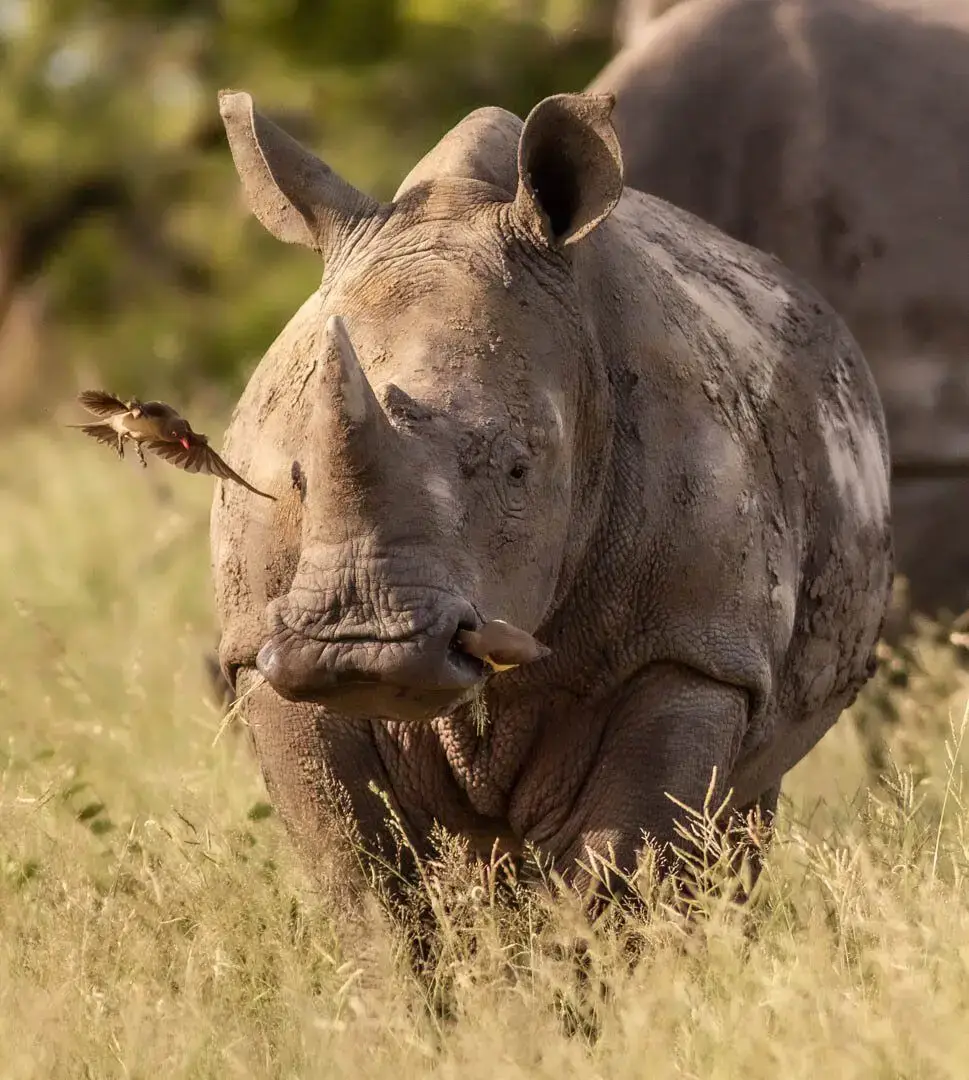
Roaring Guardians
How women are shattering stereotypes and stomping their way forward for future generations of wildlife conservationists

The African savannah is home to many of Earth’s most critically endangered animals, like the Black Rhinoceros, African Elephant, and Mountain Gorilla. Poaching, habitat loss, and human encroachment are the main contributors to the rapidly approaching fall of these iconic giants.

In the challenging, often brutal world of wildlife conservation, the female guardians on the front lines are tying their hair back and marching defiantly onward.
A historically male-dominated industry, men in the conservation field often hold leadership positions and comprise the majority of field workers and researchers.
Are you surprised? Yeah, we weren’t either.
However, in recent years, there has been a significant shift towards greater gender diversity and inclusivity within the conservation industry. Women are increasingly taking on leadership roles, conducting scientific research, and leading conservation initiatives.

Women bring distinct perspectives to conservation efforts not only by stomping their boots on the ground, but also by tying in female-led educational programs that benefit local communities and empower the young people within them. Rooted in empathy and interconnectedness, these programs promote local engagement and educate their communities about sustainable conservation practices.
The indomitable women whose stories we’re telling below dedicate their lives to protecting and preserving these incredible animals with resilience, compassion, and unwavering spirit. Reading about them has us wanting to lace up our boots and hit the bush, or at least a heavy bag.

The Black Mambas
The Black Mambas are the world’s first all-female anti-poaching unit. Read that again, because OKAY LADIES. 🫡
Established in 2013, the unarmed group (!) operates in the Balule Nature Reserve, part of the Greater Kruger National Park in South Africa. Made up of 36 local women from nearby communities, the Black Mambas are dedicated to protecting wildlife, mainly elephants and rhinos, from poachers. Their laser-set focus is on the preservation of Black Rhinoceros, whose population is critically low. Rhinos are hunted for their horns, which are highly valued in traditional medicine and as status symbols. Kruger is home to the largest population of rhino in the world, and is also victim to more poaching attacks than any other area.
The Black Mambas’ approach emphasizes community engagement, education, and unarmed patrols. They inspect the perimeter fences, walking more than 20km daily, to disrupt poaching activities like wire snares set for trapping. A 63% reduction in poaching in their area of operation is a direct result from the Mambas’ work.
The women have received international recognition for their effective conservation efforts, and serves as a role model for empowering women in conservation and combating wildlife crime. You can learn more about The Black Mambas here.
*Source: helpingrhinos.org

Akashinga: The Brave Ones
The Akashinga (translated means "The Brave Ones”) is another incredible all-female anti-poaching ranger unit, this one operating in Zimbabwe.
Though the program was first founded in 2017 by the International Anti-Poaching Foundation (IAPF), the IAPF has officially become Akashinga. The Akashinga program recruits women from rural communities, including survivors of domestic abuse and single mothers, providing them with rigorous training in conservation and law enforcement. In this training, they find their power.
Led by a former Australian special forces soldier, the Akashinga rangers focus on protecting wildlife, particularly elephants and other endangered species, from poaching and illegal wildlife trade. The unit's approach emphasizes community engagement, gender equality, and sustainable conservation practices, earning recognition for its innovative and effective conservation efforts.
There’s a National Geographic documentary from executive producer James Cameron called “Akashinga: The Brave Ones” about this amazing group of heroines that we highly recommend. You can find it on ABC, Disney+, and National Geographic.
A celebration of the courageous and resilient women leading the charge for massive positive change in conservation, we promise this short documentary will give you goosebumps.
Dr. Jane Goodall

How could we talk about female conservationists without mentioning the G.O.A.T.?
Dr. Jane Goodall is a towering figure in the conservation movement. Her groundbreaking research on chimpanzees revolutionized our understanding of primates and their behavior, and her long-term study in Tanzania’s Gombe Stream National Park not only shed light on the complex social dynamics of chimpanzee communities but also highlighted the urgent need for wildlife conservation and habitat preservation.
Beyond her scientific contributions, Dr. Goodall's tireless advocacy efforts have inspired millions worldwide to take action for environmental protection and animal welfare. Through the Jane Goodall Institute, she has pioneered community-centered conservation initiatives, empowering local communities to become stewards of their natural resources.
Dr. Goodall's unwavering commitment to conservation, coupled with her compassionate approach to understanding and protecting animals, continues to resonate across generations, making her a revered icon in the field of wildlife conservation.
The transformative impact of empowering women in the field of conservation cannot be overstated. Prioritizing gender equality and youth empowerment leads to education, to breaking cycles of poverty and environmental harm. It contributes immeasurably to wildlife protection while empowering marginalized communities and promoting social justice.
Women in wildlife conservation leads to a more equitable and sustainable future, dedication to protecting our planet’s precious biodiversity, and to shaping a future where harmony between nature and humanity thrives.
Alexa! Play “Who Run The World” by Beyoncé.
To learn more about these incredible organizations, visit the links within.
To get up close and personal with them, book a trip with us. Want to help change the world?

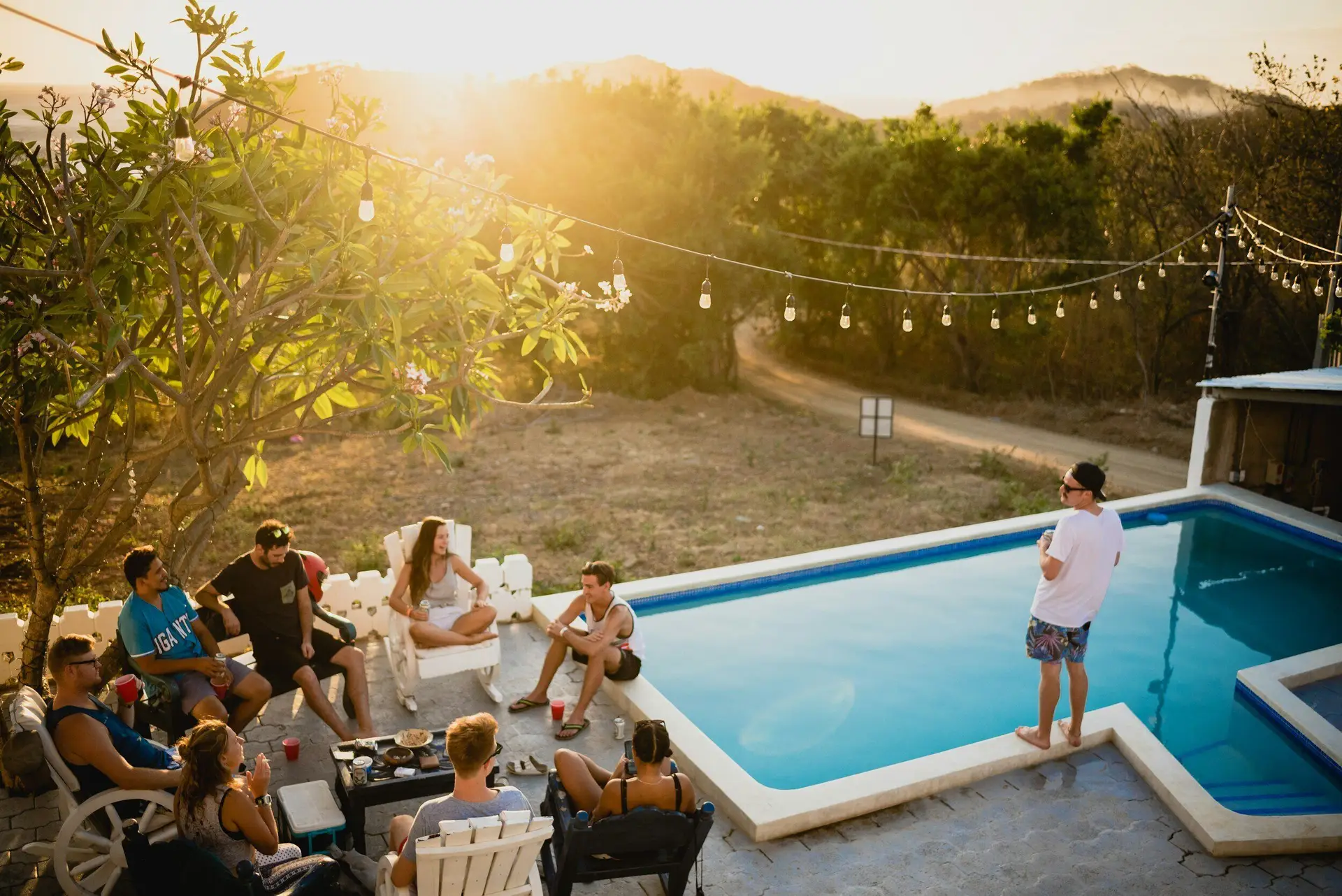
Get Your Trip Out of the Group Chat
Grab your buddies. We’re catching a flight. ✈️
Planning a trip with a lot of cooks in the kitchen? We’ve been there, done it, and know a thing or two about making your group getaway as smooth as the honey butter at brunch.

“The biggest challenge for group travel is usually agreeing!” says Jen Markus, SafariSmiths Travel cofounder and CEO. “Whether we’re talking location, accommodations, budget, or tours, there are always lots of options — and lots of opinions — swirling around. It’s hard enough to keep people on track via text, much less nail down tiny logistics details.”
Instead of blowing up everyone’s phones with a million details, how about kicking back and letting the itinerary come to you?

For groups trips no matter the size, working with a travel advisor is the best way to plan your trip so you’re not just another group of tourists. With SafariSmiths Travel, you have access to all the insider deals and perks: group discounts, upgrades, and exclusive experiences that will make your trip extra special.
Thanks to SafariSmiths Travel’s relationships and affiliations through Avenue Two Travel and Virtuoso, you’ll have the inside scoop on all the best places to eat, play, and explore, all tailored to your crew's unique vibes and interests.

Another factor in planning that’s not to be overlooked in booking a group trip…
Peace of mind.
When the unexpected happens (because let’s face it — it usually does), SafariSmiths Travel is a mere phone call away.
Flight delays or lost luggage? No problem, Jen’s on it.
Something's going on with your hotel? Easy — Kyle’s already spoken with the concierge.

So, round up the crew and leave work at the office. It’s time to pack your bags and get ready for the adventure of a lifetime — with a little help from your friends. 😉
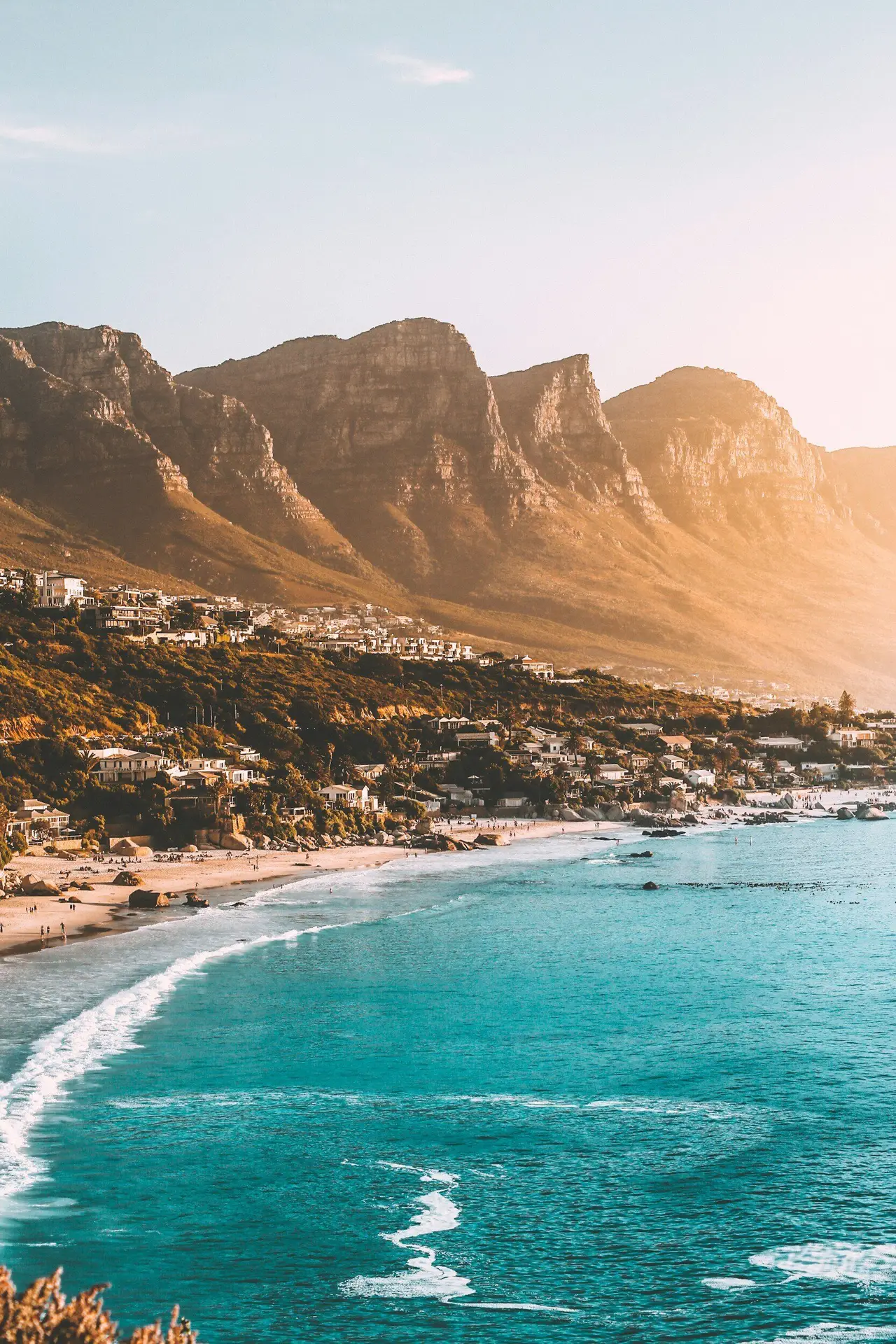
City Lover Vs. Wide Open Spaces: What’s Your Travel Vibe?
Do you prefer the deep breaths of crisp mountain air, or are you more of a bright lights, big city kind of person? Maybe a nice mix of both?
When you’re looking to craft the perfect itinerary for your next trip, these questions beg the next: How do you want to be invigorated today?

Travel is so personal, and choosing between a jaunt to a city or a less populated destination obviously hinges on your preferences. It all depends on what you feel like getting out of your trip.
Are you looking for a relaxing seaside oasis where you’ll barely lift a finger? Traveling to a resort caters to the tranquility seekers. Designed as havens of escape, often nestled in scenic landscapes, resorts offer a respite from the hustle and bustle of daily life. Pristine beaches, luxurious spas, private pools, delicious cuisine at your fingertips — the focus is on unwinding in a curated experience where your biggest decision will be a lemon or lime twist in your cocktail. With emphasis on leisure and recreation and often all-inclusive, resorts, lodges, and other less crowded destinations create a sanctuary for rejuvenation.

Not to be outdone, city travel encourages cultural immersion and exploration. Cities are vibrant hubs of diversity, where history, art, and traditions converge. Museums, galleries, and iconic landmarks provide spaces to open your mind and see things from a new perspective, often highlighting the cultural heritage of a region. As far as foodies go, it’s hard to beat the culinary diversity of bigger cities, where local entrepreneurs and award-winning chefs alike often do their best to showcase a spectrum of flavors that reflect the city's unique identity. Not to mention the energy of an urban atmosphere, filled with theaters, music venues, and lively street scenes, ensures an engaging and intellectually stimulating experience.

With each option offering distinct advantages, why not do both? Cities like Capetown, South Africa allow for the best of both worlds. In just a few hours, you can hop between Capetown’s contemporary urban environment, a relaxing beachfront trip, an exhilarating safari experience, and end your vacation by tasting wine on the gorgeous coast.

In the end, you can’t go wrong with either… which, we know, is not that helpful if you’re on the fence about how you’d like to plan your experience. But no matter what your dream escape looks like, SafariSmiths Travel can help make it happen by crafting the perfect itinerary.
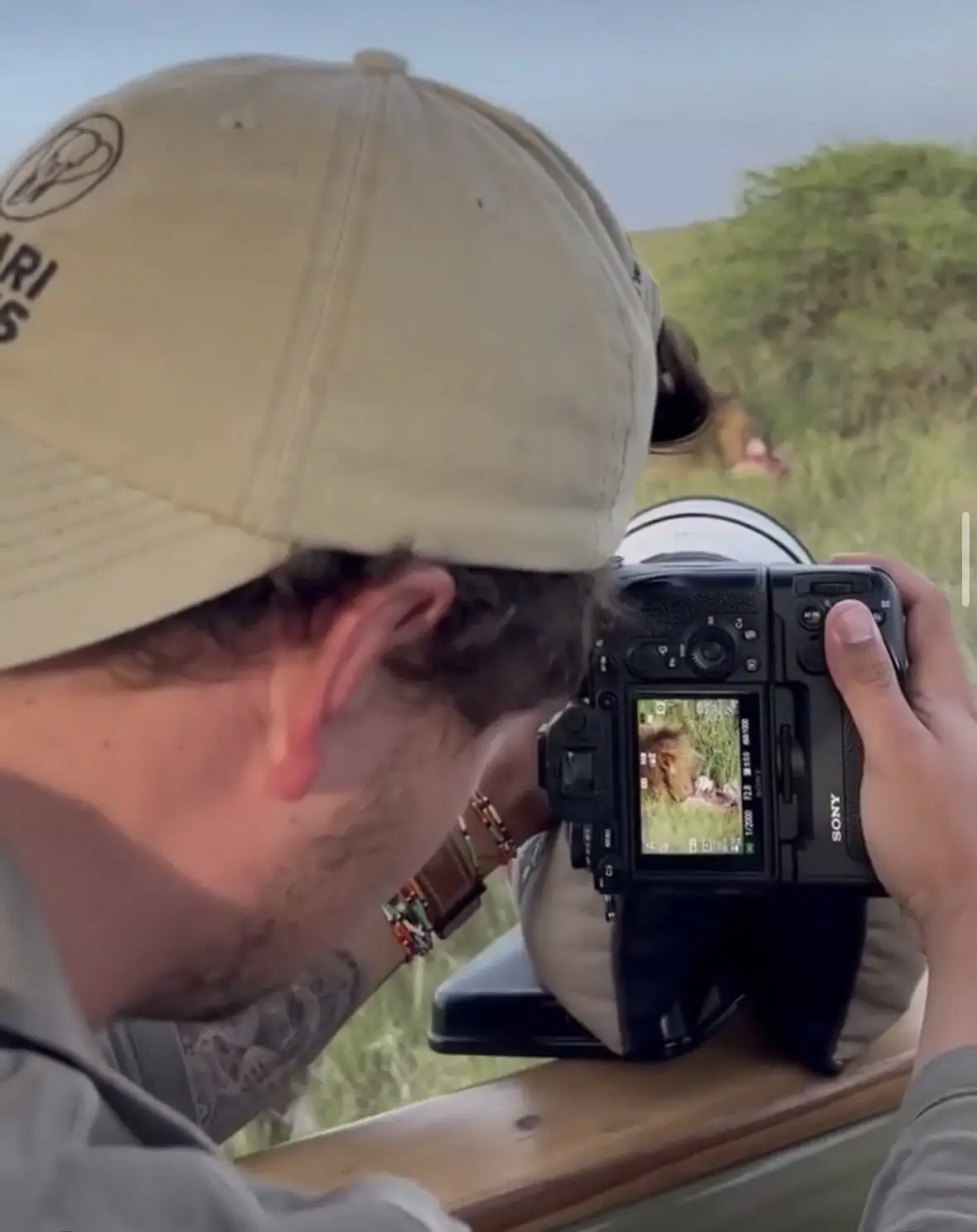
Should I hire a private guide?
A truly epic adventure warrants an equally extraordinary and knowledgeable guide.
Unless you’re a next-level adrenaline junkie*, getting caught in a herd of migrating wildebeest is likely not on your bucket list.
Hiring a private tour guide for a safari can make or break your trip. It’s arguably the most important element to a safe, successful African safari.
Here are just a few reasons to elevate your trip of a lifetime with a private safari guide.
(*if this is you, please see our article “5 Reasons To Invest In Travel Insurance!”)


Safari guides typically possess extensive knowledge about the local plants, animals, and landscapes.
- SafariSmith Travel’s Kyle Smith is a veteran tracker and private guide, having trained in elite programs in locations like the internationally acclaimed MalaMala Game Reserve.
- Having a private guide allows you to gain in-depth insights into the wildlife, ecosystems, and conservation efforts of the reserves you visit.

A private guide allows for a completely personalized experience.
- Though a group tour is a more economical way to safari, you’ll have far less control of your days. In a group, your time is regimented with less flexibility.
- With a private guide, your experience can be tailored entirely to your preferences. You choose when to wake up, what you want to see, and when to call it a day.
- Having a private safari guide can enhance your overall comfort by providing personalized services, such as arranging special meals or accommodations based on your preferences.

Your safari itinerary is what you want it to be.
- We can adapt the schedule based on your preferences, allowing for impromptu stops and adjustments to maximize wildlife sightings. Want to spend a whole day with the lion cubs? Absolutely. So do we, to be honest.
If everyone had access, it wouldn’t be exclusive.
- Private guides develop relationships with other trackers, guides, and lodge staff, allowing for access to private reserves or areas not open to the general public. This privilege adds depth to your safari and provides a more exclusive and intimate experience.
A private guide allows you to avoid the crowd.
- Traffic jams can occur even on the game reserve, especially during animal sightings where group tours tend to congregate. Privately guided trips can lead to better, less stressful encounters by sharing alternate routes or viewpoints.

Professional photography, at your service.
- Have a passion for wildlife and landscape photography? Great, so do we! A private guide will skillfully position the vehicle for perfect shots, share valuable tips for capturing these unforgettable moments, and provide fascinating insights about the incredible animals you encounter.
Private safari guides are dedicated to your safety and security.
- Perhaps the most important element of guiding is that a private guide is dedicated to you and your group, ensuring a higher level of safety and security. They are familiar with local terrain and wildlife behavior, and are adept at minimizing potential risks.
It’s important to remember that the quality of your experience also depends on the expertise and personality of your guide!
While SafariSmiths Travel would be honored to be your guides, we encourage you to thoroughly research your options and choose a travel service that works best for you.
Interested in learning more about private guiding? Let’s chat!
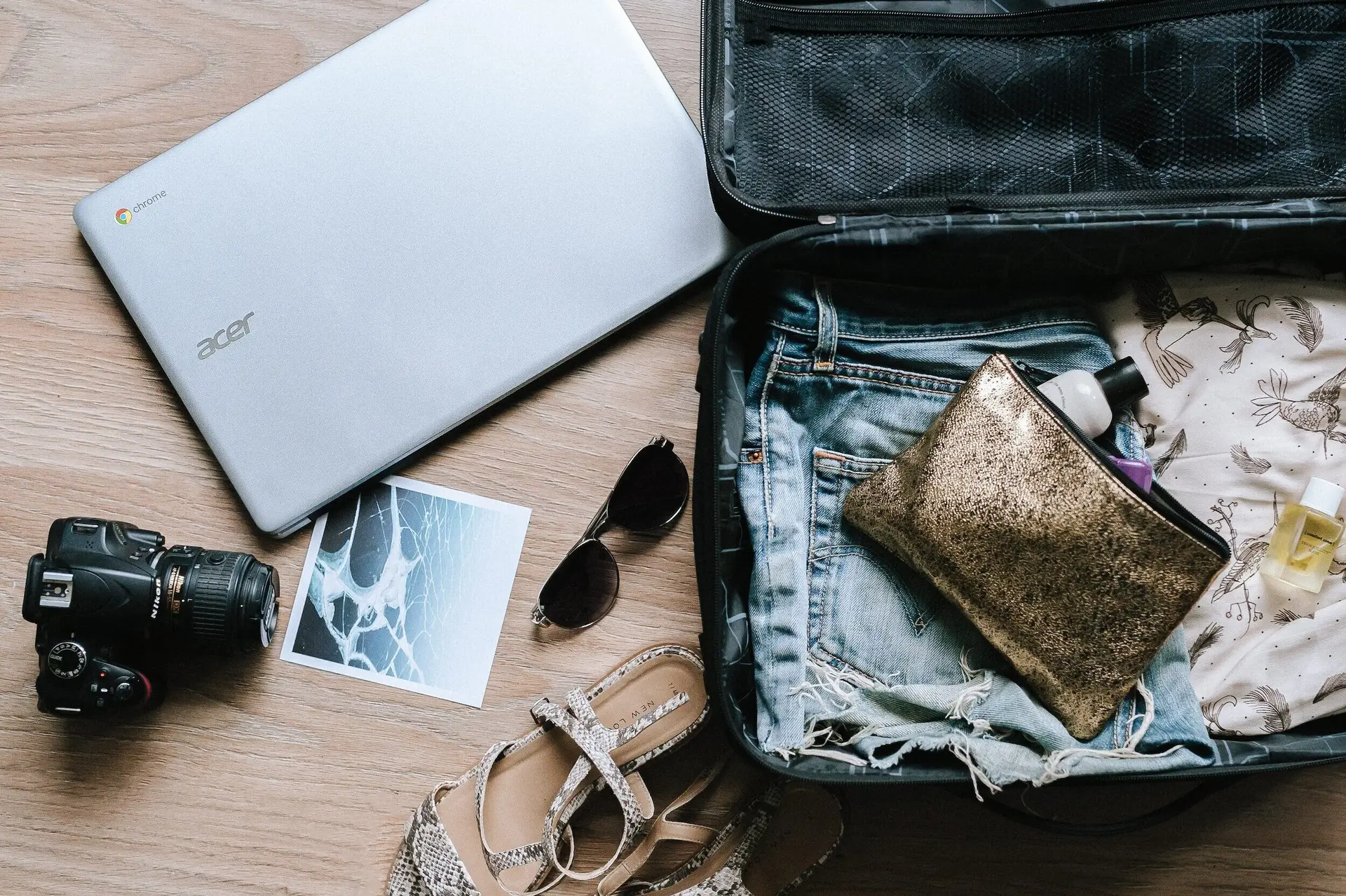
5 Reasons to Protect Your Investment with Travel Insurance
After months of planning and lots of dollars spent, you’re happily on your way to your dream destination… and then the airline regrets to inform you that your luggage is on its way to O’Hare.
Luckily, you were smart. You purchased travel insurance, even though it may not have been the first thing on your list.

Between the flights, accommodations, and activities, travel does require some significant expenses. Travel insurance acts as a safety net, providing coverage in case unforeseen circumstances force you to cancel or interrupt your trip. Whether it’s a sudden illness, a family emergency, or another unexpected event, travel insurance helps safeguard your trip and your financial investment.

- A Doctor In Your Back PocketGetting sick or experiencing a medical emergency in an unfamiliar location can be both distressing and a financial burden. Local healthcare systems may not be as accessible or affordable, making travel insurance with medical coverage indispensable. It ensures that you receive the necessary medical attention and covers expenses such as hospital stays, medications, and emergency medical evacuations.
- Trip Interruption and CancellationLife is unpredictable, and sometimes even the most carefully made plans can go sideways. Whether it's due to a personal emergency or unexpected weather conditions disrupting your travel itinerary, trip interruption and cancellation coverage provide reimbursement for non-refundable expenses. This includes flight cancellations, hotel reservations, and prepaid activities, giving you peace of mind when the unexpected happens.
- Lost or Delayed BaggageImagine arriving at your dream destination, only to find that your luggage is missing or delayed. Travel insurance can provide coverage for the replacement of essential items, ensuring that you can still enjoy your trip without the stress of lost belongings. This coverage extends to both checked and carry-on baggage, offering a financial safety net in the event of travel inconveniences.
- Travel Delays and Missed ConnectionsFlight delays and missed connections are common travel hiccups that can disrupt your plans and incur additional expenses. Travel insurance can cover the costs of accommodation, meals, and alternative transportation in the event of extended delays, allowing you to navigate the unexpected without bearing the financial burden.
- Emergency Assistance ServicesWhen navigating unfamiliar territories, having access to emergency assistance services can be a lifesaver. Travel insurance often includes 24/7 support for emergencies, offering assistance with medical referrals, language translation, legal advice, and coordination of emergency evacuations if needed. This added layer of support ensures that you're not alone when facing challenges in a foreign environment.

As the late, great Anthony Bourdain said: “When dealing with complex transportation issues, the best thing to do is pull up with a cold beer and let somebody else figure it out.”
By understanding the many benefits of travel insurance, you’ll be empowered to explore the world with confidence. And with SafariSmiths Travel, your only worry will be those $18 airport beers.
Learn more about how SafariSmiths Travel can help plan your dream getaway.